
3945 E. Fort Lowell Suite #209 Tucson, Arizona 85712

By Dehnert Dental
Finding out that you may need a root canal can bring up plenty of questions, especially about how much time the treatment will take. You may be wondering whether you can get it done in one appointment or whether you will need to return for another visit.
The answer depends on several factors, including which tooth needs treatment, the number of canals it has, the extent of infection, and whether the tooth needs additional restoration afterward.
What Affects Treatment Time?
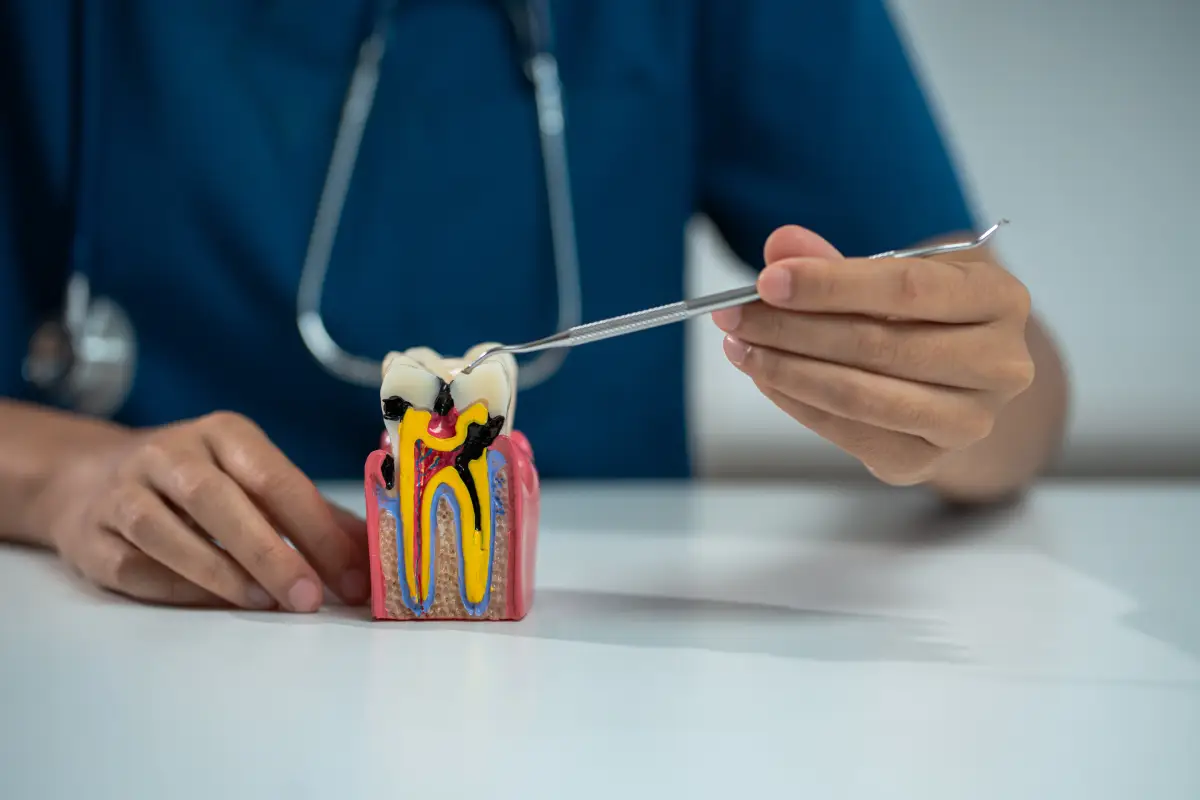
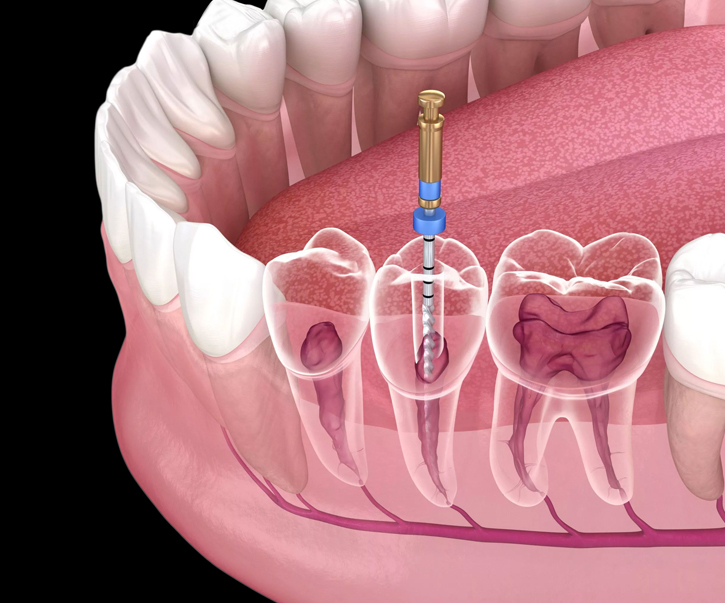
Every tooth has a slightly different internal structure. Front teeth often have fewer canals, while molars can have several canals that are more difficult to access. This can make treatment more involved.
The condition of the tooth also matters. If there is inflammation or infection inside the tooth, your dentist may need additional time to thoroughly clean and disinfect the area before sealing it.
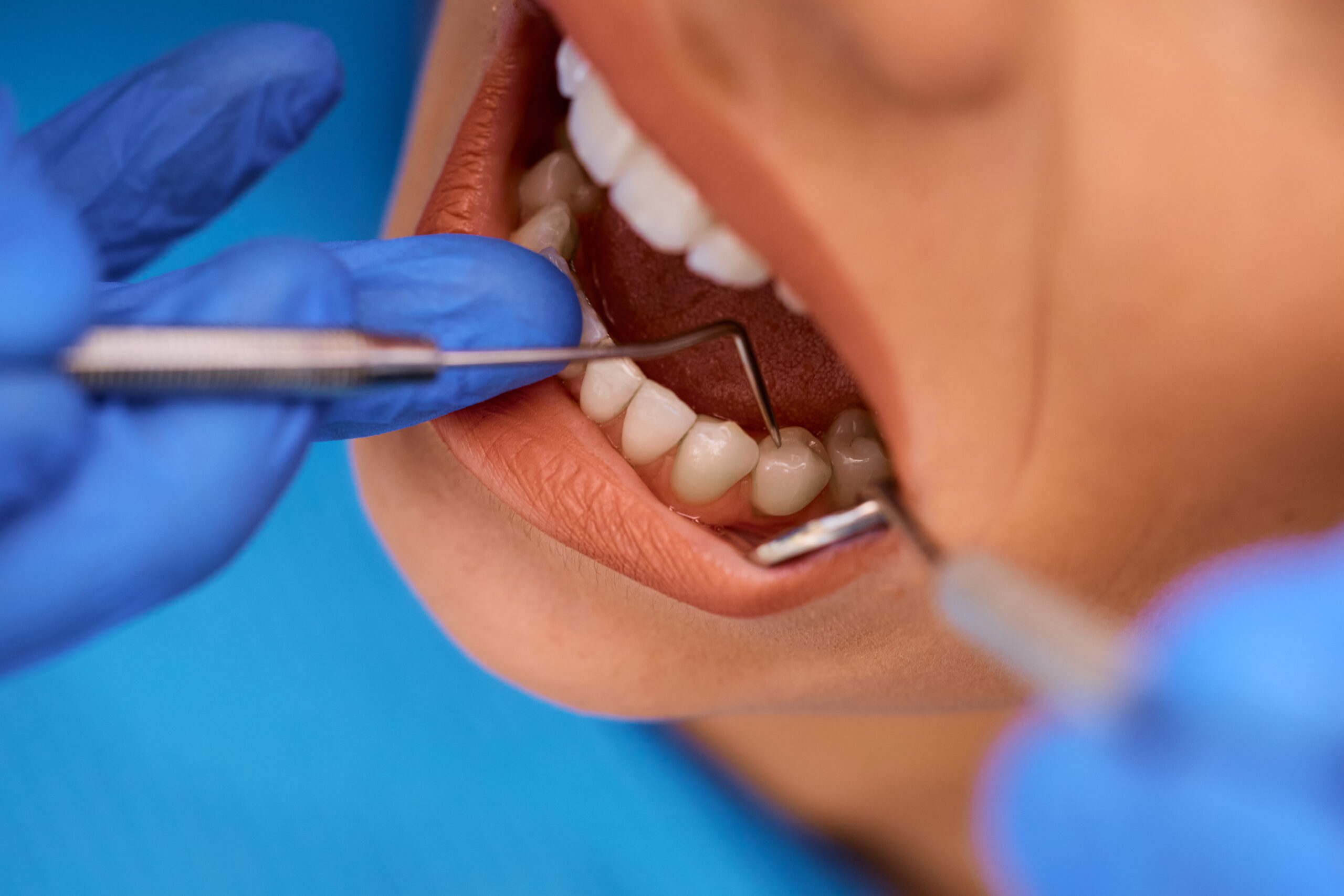
A dental examination and imaging can help your oral health specialist understand the tooth’s anatomy and determine the most appropriate approach.
Can Treatment Be Completed in One Visit?
In many cases, yes. A straightforward procedure may be completed during a single appointment. More complicated situations may require additional visits so the tooth can be properly cleaned, treated, and sealed.
Your dentist will explain how many appointments you are likely to need after examining the tooth. The goal is not simply to finish quickly. Careful treatment is important for removing infected tissue and giving the tooth the best opportunity to remain functional.
If you want to understand what the procedure involves before your appointment, you can learn more about root canal treatment and what patients can generally expect.
What Happens During the Procedure?
Before treatment starts, the area is numbed to help keep you comfortable. Your dentist then creates a small opening in the tooth to reach the affected inner tissue.
The canals are carefully cleaned and shaped before being filled and sealed. Depending on the tooth’s condition, you may receive a temporary restoration before returning for a permanent restoration.
The length of the appointment can vary considerably. A molar with complicated canal anatomy may require more time than a tooth with a simpler structure.
What About Recovery?
It is common for the treated area to feel tender for a few days. This does not necessarily mean something is wrong. The tissues surrounding the tooth can remain sensitive after treatment as they settle.
Following your dentist’s instructions can help you manage this temporary discomfort. You may also be advised to avoid chewing heavily on the treated tooth until your final restoration has been placed or your dentist confirms that it is ready.
When Should You Have Tooth Pain Checked?
Persistent pain should not be something you simply wait out. Sensitivity that lingers after hot or cold foods, discomfort when biting, swelling, or tenderness around a particular tooth can have several possible causes.
These symptoms do not automatically mean you need a root canal. However, an examination can help identify what is causing the problem and whether treatment is necessary.
Know What Your Tooth Needs
Putting off persistent dental pain can leave you with more questions and potentially a more complicated problem later. Getting an evaluation gives you a clearer picture of what is happening and what your options may be.
For patients in Tucson, Dehnert Dental can help evaluate tooth pain and explain whether treatment may be appropriate. You can find the dental office in Tucson and, when you are ready, schedule an appointment to discuss your concerns.
Frequently Asked Questions
1. How long does a root canal take?
Treatment time varies according to the tooth, its anatomy, and its condition. Some cases can be completed in one appointment, while more complicated cases may require additional visits.
2. Does treatment hurt?
The area is numbed before treatment begins. Some tenderness may occur afterward, but your dental team can provide guidance for managing normal post treatment discomfort.
3. Can I return to work afterward?
Many people return to their usual activities after treatment. Your dentist can advise you based on the type of procedure performed and your individual circumstances.
4. Will I need a crown afterward?
Some teeth need a crown or another restoration to provide additional protection after treatment. Your dentist will determine what is appropriate based on the tooth and how much healthy structure remains.

New Patients & Emergency Appointments Welcome!