
3945 E. Fort Lowell Suite #209 Tucson, Arizona 85712

FAQ – Fluoridation
Fluoride is a natural mineral that helps fight cavities. It’s found in small amounts in many water sources like rivers, lakes, and oceans. Some foods and drinks also have fluoride, but the amount can vary. To help protect your teeth, fluoride is added to certain dental products like toothpaste.
Fluoride is helpful for both kids and adults. Here’s how:
Before teeth come in, the fluoride from food, drinks, or supplements helps make the tooth enamel (the hard outer layer) stronger. This helps protect the teeth from getting cavities and is called a systemic benefit.
After teeth come in, fluoride can help repair weak spots in the enamel and even reverse early signs of tooth decay. When you brush with fluoride toothpaste or use other fluoride products, the fluoride coats the teeth. This gives a topical benefit.
The fluoride you get from food and drinks mixes with your saliva, which then gently washes over your teeth with small amounts of fluoride, helping to keep your enamel strong.
Water fluoridation means adding fluoride to public drinking water to reach a level that helps prevent tooth decay. As of 2012, nearly 75% of people in the U.S. use fluoridated water in their communities.
Adding fluoride to tap water is an affordable and effective way to help prevent cavities.
Cavities are caused by a condition called "caries," which is more common than both asthma and hay fever in children between 5 and 17 years old. Untreated cavities can lead to pain, sleep problems, and trouble eating, speaking, or focusing in school or work.
In 2000, the U.S. Surgeon General reported that about 51 million school hours are lost every year due to dental problems — a number that could be even higher without water fluoridation.
The American Dental Association (ADA) calls water fluoridation the most effective public health tool for preventing tooth decay. Studies show it can reduce cavities by at least 25% in both kids and adults, even with other fluoride sources like toothpaste.
Organizations like the ADA, the American Medical Association, the World Health Organization, and the Centers for Disease Control and Prevention (CDC) all support fluoridated community water. The CDC even lists it as one of the top 10 public health achievements of the 20th century.
Simply drinking fluoridated tap water helps protect your teeth.
Yes, fluoridated water is safe and works well to fight cavities. Decades of studies, 70 years of real-world use, and the experiences of over 210 million Americans show that it's a safe and effective way to protect teeth at every age
Dental fluorosis happens when young children get too much fluoride over a long period while their teeth are still developing under the gums. It causes slight changes in how the tooth enamel looks, but it usually isn’t noticeable without a dental exam. The mild type seen in the U.S. doesn’t harm the teeth and may even make them more resistant to decay.
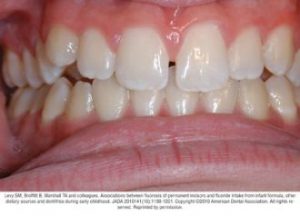
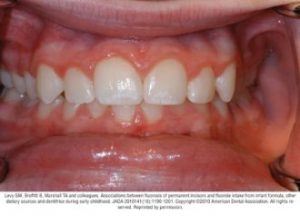
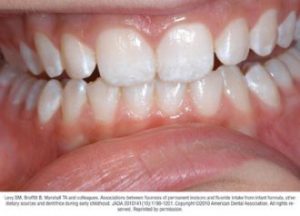
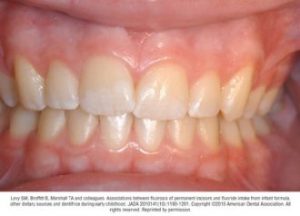
Yes, it is safe to use fluoridated water when preparing infant formula. If your baby mainly drinks formula made with fluoridated water, there may be a slightly higher chance of mild enamel fluorosis. However, this does not harm your baby’s health or their teeth. It's always a good idea to talk to your dentist about what’s best for your child.
For babies:
You can breastfeed. The American Academy of Pediatrics recommends breastfeeding for most infants. Breast milk has very little fluoride. Even if the mother drinks fluoridated water, only small amounts pass to the baby.
You can use a ready-to-feed formula, which contains very little fluoride and is less likely to cause fluorosis.
If you’re using powdered or liquid formula, mix it with bottled water labeled as deionized, purified, demineralized, or distilled — these have low or no fluoride.
It’s helpful to ask your pediatrician or family doctor for guidance on which formula is best for your baby.
Fluorosis can occur up to about age eight, while the teeth are still forming. Other fluoride sources like toothpaste and oral rinses may also play a role, even in areas without fluoridated water.
The key is balance, getting just the right amount of fluoride. Not too much, not too little. Your dentist, pediatrician, or family doctor can help you figure out what’s best for your child’s specific needs.
Fluoridated water helps lower the risk of cavities in both kids and adults. Research shows that it can reduce tooth decay by at least 25%, even with other fluoride products like toothpaste widely available. Just by drinking water at home, work, or school, people can get this added protection.
Because of its strong impact on dental health, the Centers for Disease Control and Prevention (CDC) lists community water fluoridation as one of the top 10 public health successes of the 20th century.
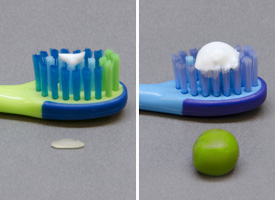
Yes, they should. For children under 3, parents or caregivers should start brushing their teeth as soon as they come in. Use only a small amount of fluoride toothpaste—about the size of a grain of rice.
For kids ages 3 to 6, use no more than a pea-sized amount of fluoride toothpaste.
Children should brush their teeth thoroughly twice a day—morning and night—or as advised by a dentist or doctor. An adult should supervise brushing to make sure the right amount of toothpaste is used.
Yes, they should. For children under 3, parents or caregivers should start brushing their teeth as soon as they come in. Use only a small amount of fluoride toothpaste—about the size of a grain of rice.
Fluoride mouth rinse helps prevent cavities by making teeth stronger and more resistant to decay. However, the American Dental Association (ADA) does not recommend fluoride oral rinse for kids under 6 years old unless a dentist or health professional suggests it. This is because young children may accidentally swallow the rinse instead of spitting it out.
Fluoride supplements can help prevent tooth decay, especially in areas where drinking water doesn't have enough fluoride. These supplements strengthen teeth while they are developing and also offer surface protection when chewed, as the fluoride mixes with saliva and helps rebuild the enamel.
Supplements are usually recommended only for children who live in places without enough fluoride in the tap water and who are at high risk of cavities. It's best to talk with your dentist, pediatrician, or family doctor to see what’s right for your child.
Note: The ADA’s guidelines for fluoride supplements have not changed, even after the U.S. Public Health Service updated the recommended fluoride level in water to 0.7 milligrams per liter in 2015. The ADA still supports its earlier supplement recommendations made in 2010.