
3945 E. Fort Lowell Suite #209 Tucson, Arizona 85712


By Dehnert Dental
A tooth can look normal, feel fine, and still have a problem deep inside. While tooth pain often signals trouble, its absence does not always mean everything is healthy. Damage to the pulp, the soft tissue containing nerves and blood vessels inside a tooth, can develop without noticeable discomfort. In some cases, the pulp dies and stops sending pain signals, even while an infection remains.
Understanding why this happens can help you recognize hidden dental problems before they become more serious.
Why Would a Tooth Need Treatment Without Pain?
Several problems can damage the inner tissues of a tooth without causing an obvious toothache.
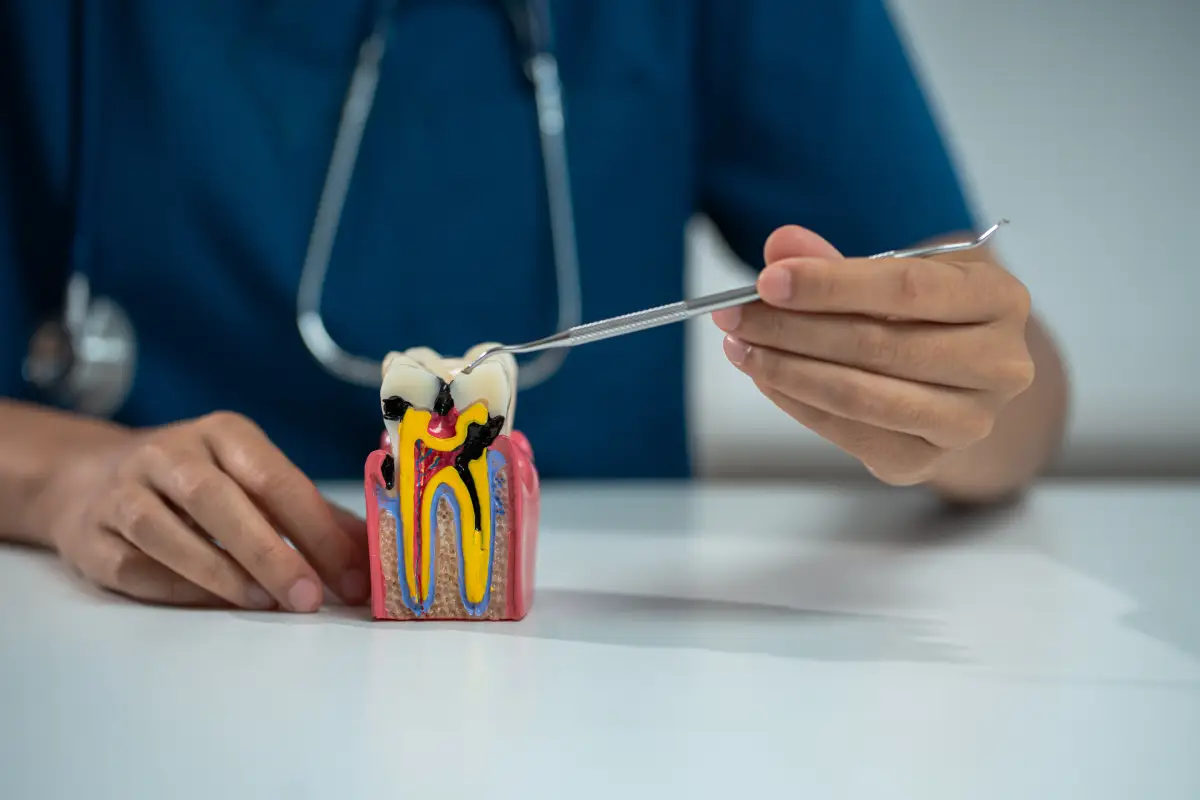
Deep tooth decay: A cavity can gradually spread toward the pulp. Early on, you might not notice anything unusual. Once bacteria reach the inner tissue, inflammation or infection may develop.
A damaged or dead pulp: Trauma, deep decay, or previous dental procedures can damage the pulp and its blood supply. If the pulp dies, temperature sensitivity may disappear. However, bacteria can still spread through the root and affect the surrounding bone.
A crack in the tooth: Small cracks may allow bacteria to enter the inner tissues. Depending on the location and severity, the damage may not cause constant pain.
These problems do not always produce symptoms right away. A tooth that feels comfortable today may still need attention.
What Signs Should You Watch For?
Even if you have no toothache, pay attention to changes such as:
- A tooth becoming darker than the surrounding teeth
- Swelling or tenderness in the nearby gums
- A small pimple like bump on the gums that drains fluid
- Discomfort when biting down
- An unusual taste in your mouth or recurring drainage near a tooth
For more details, learn about the signs of a tooth that needs treatment and what may happen next.
Some people experience none of these symptoms. That is why regular dental examinations matter, especially if you have a history of deep decay, a cracked tooth, or an injury.
How Can a Dentist Detect a Hidden Problem?
A tooth can appear healthy on the outside while damage develops beneath the surface. During an examination, a dental care provider checks for deep decay, cracks, discoloration, and changes in the surrounding gums. Pulp tests help assess the tooth’s response to certain stimuli, while dental X rays can reveal changes around the root.
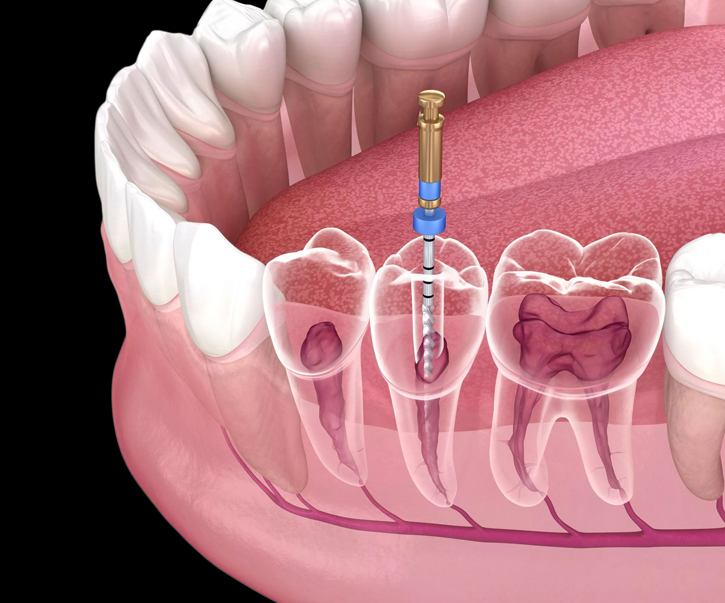
By combining these findings, the dentist can determine whether the tooth needs monitoring, treatment for decay, or a root canal to address damaged or infected pulp.
Each test provides different information. For example, an X ray may reveal changes in the bone around a root, but early pulp damage might not appear on an image. Your oral health specialist considers the results together before recommending treatment.
Not every painless tooth needs a procedure. Depending on the findings, the dentist may recommend monitoring the tooth, treating decay, or treatment for infected tooth pulp to remove damaged tissue and seal the inside of the tooth.
What Happens If You Ignore the Problem?
An infected tooth will not necessarily become painful before complications develop. The infection may spread beyond the root, damage nearby bone, form an abscess, or eventually make the tooth impossible to save.
Prompt evaluation gives your dentist a chance to address the problem and determine whether the natural tooth can be preserved. If you develop facial swelling, fever with dental symptoms, or spreading swelling, seek urgent care. Difficulty breathing or swallowing requires emergency medical attention.
Protect Your Tooth Before Symptoms Appear
You do not have to wait for a toothache to take your dental health seriously. If something seems unusual, an examination can help clarify what is happening and whether treatment is necessary. At Dehnert Dental in Tucson, our team can assess your concerns, explain your options, and help you make an informed decision. Schedule an appointment to discuss your concerns and protect your natural teeth. Find our office in Tucson and get directions.
Frequently Asked Questions
1. Can a dead tooth still be infected?
Yes. When the pulp dies, the tooth may stop responding to temperature, but bacteria can remain inside and cause infection around the root.
2. Can a dental X ray show an infection without pain?
Sometimes. An X ray may reveal changes around the root even when you have no symptoms. However, a dentist must consider the image alongside examination findings and pulp tests.
3. Should I wait until the tooth starts hurting?
No. Waiting for pain can allow a dental problem to progress. Arrange an examination if you notice unusual changes or suspect damage.
4. Is treatment painful if the tooth does not hurt?
Local anesthesia helps keep treatment comfortable. You may experience pressure during the procedure or temporary soreness afterward, but discomfort varies from person to person.

New Patients & Emergency Appointments Welcome!