
3945 E. Fort Lowell Suite #209 Tucson, Arizona 85712


By Dehnert Dental
Dental implants are designed to be a long term solution for missing teeth, but they are not completely maintenance free. How long they last depends on several factors, including how well you care for them, the health of your gums and jawbone, and the quality of the restoration attached to the implant.
With consistent care and regular dental visits, the implant itself can potentially last for decades. The crown or other restoration attached to it may need replacement sooner.
What Determines How Long an Implant Lasts?
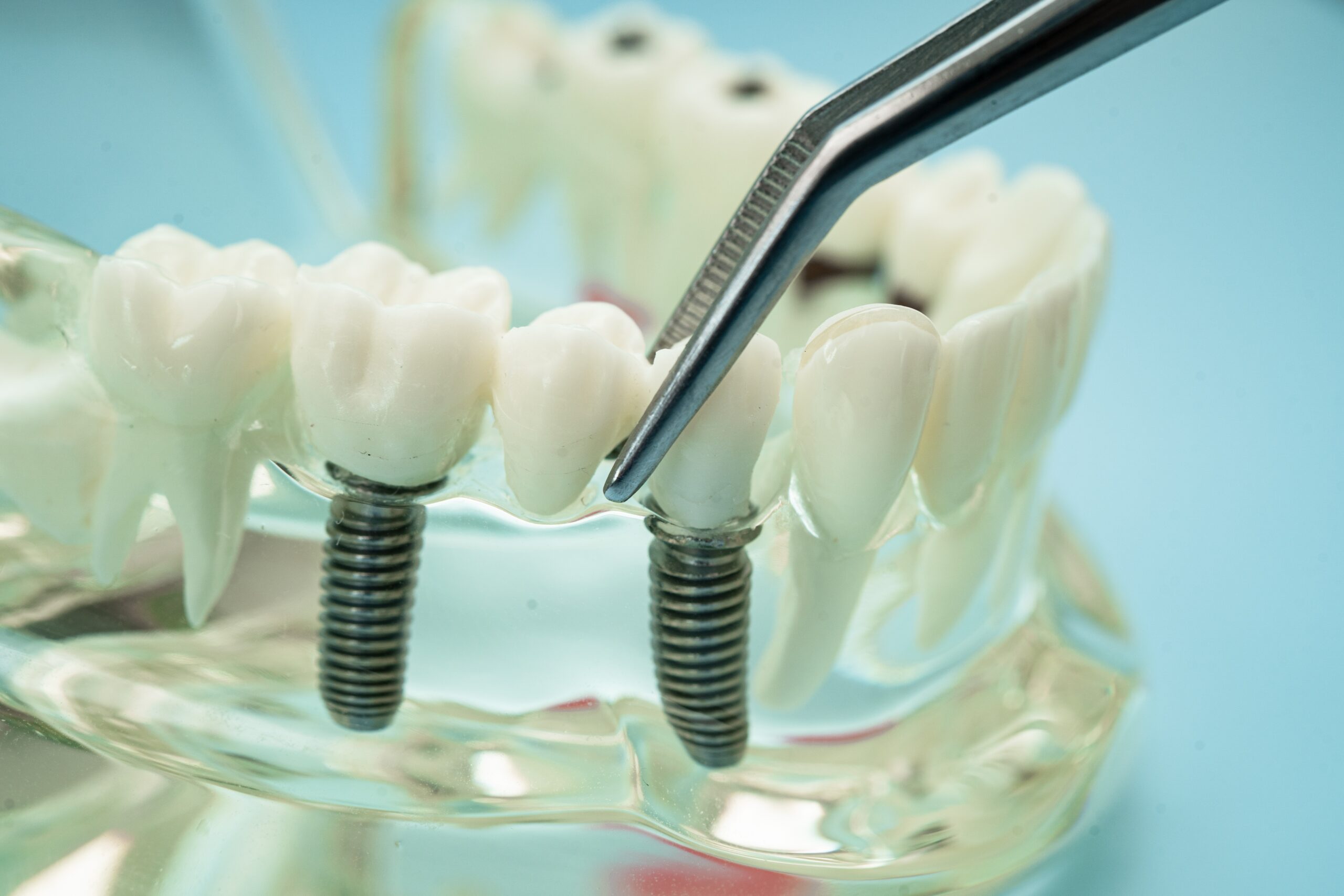
An implant sits in the jawbone and acts as a replacement for a tooth root. Once the surrounding bone heals and supports it, the implant can provide a stable foundation for the visible part of the tooth.
Several factors can affect its long term success.
Daily oral care
Even though an implant cannot develop a cavity, the gum tissue around it still needs attention. Plaque can build up around the implant and contribute to inflammation or infection.
Brushing twice a day, cleaning between your teeth, and following the care instructions provided by your dental team can help protect the tissues surrounding the implant.
Gum health
Healthy gums play an important role in keeping an implant stable. Inflammation around an implant can affect the supporting tissues and may eventually compromise its stability.
If you notice bleeding, swelling, tenderness, or changes around an implant, have it checked rather than waiting for the problem to disappear.
Jawbone support
An implant needs sufficient bone to remain stable. Bone loss can occur after tooth loss, which is why your dentist evaluates the jawbone before recommending treatment.
In some cases, additional procedures may be considered to create a suitable foundation.
Does the Implant Restoration Last as Long?
Not necessarily. The implant and the restoration are separate components.
The crown, bridge, or denture attached to the implant experiences daily chewing forces and can eventually show wear or damage. Its lifespan depends on factors such as your bite, eating habits, oral hygiene, and the material used.
This means you may have the same implant for many years while replacing the visible restoration at some point.
Can Dental Implants Fail?
Although implants have a strong track record, failure can happen. Infection, inadequate bone support, excessive pressure, certain health factors, and poor oral hygiene can increase the risk of complications.
Smoking can also interfere with healing and affect the tissues surrounding an implant.
Regular checkups allow your dentist to monitor the implant and identify changes before they become more serious.
How Can You Help Your Implant Last Longer?
Think of an implant as something that still needs routine care, not something you can simply forget about after treatment.
Keep up with daily brushing and interdental cleaning. Attend recommended dental visits and avoid using your teeth to open packages or bite objects that can damage your restoration.
If you grind or clench your teeth, ask your dentist whether a protective nightguard may be appropriate.
For patients considering long term tooth replacement options, an evaluation can help determine whether an implant is suitable for your needs.
Give Your Smile a Stronger Foundation
Living with a missing tooth can affect more than your smile. If you are considering an implant, a personal evaluation can help you understand whether it fits your dental needs and what the process may involve.
Dehnert Dental provides implant care for patients in Tucson. Find the practice in Tucson and schedule an appointment to talk through your options and decide what comes next.
Frequently Asked Questions
1. How long do dental implants last?
The implant itself can potentially last for decades when it remains healthy and properly maintained. The restoration attached to it may require replacement sooner.
2. Can dental implants last a lifetime?
They can last for many years and, in some cases, decades. However, no treatment can guarantee a specific lifespan because individual circumstances vary.
3. What causes dental implants to fail?
Infection around the implant, inadequate bone support, excessive forces, poor oral hygiene, and certain lifestyle factors can contribute to failure.
4. Do dental implants need special cleaning?
They still require regular brushing and cleaning between the teeth. Your dentist may recommend specific tools or techniques based on your implant and surrounding tissues.

New Patients & Emergency Appointments Welcome!