
3945 E. Fort Lowell Suite #209 Tucson, Arizona 85712

By Dehnert Dental
When most people think about losing a tooth, the first thing that comes to mind is appearance — the gap in the smile, the self-consciousness in photos. And yes, that’s a real concern. But the honest truth is that the cosmetic side of tooth loss is actually the least of what’s happening beneath the surface.
What doesn’t get talked about nearly enough is the functional and structural damage that follows. Tooth loss affects how you chew, how clearly you speak, and — over time — how your jaw and facial bones hold their shape. At Dehnert Dental, we see this play out in our Tucson patients regularly, and it’s why we take every missing tooth seriously, not just as a cosmetic issue, but as a whole-mouth health concern.
The Chewing Problem Nobody Warns You About
Chewing efficiency — your ability to break food down properly before swallowing — drops dramatically even with the loss of a single molar. Studies have found that losing just one back tooth can reduce your chewing ability by as much as 10 to 30 percent.
Now, that might not sound like a big deal. But think about what that means practically: tougher foods get swallowed in larger chunks, putting more strain on your digestive system. Fruits, raw vegetables, and lean proteins — the foods your body needs most — become harder to eat comfortably. Over time, many people with missing teeth unconsciously shift to softer, often more processed foods, which can have downstream effects on overall nutrition and health.
Front teeth contribute to bite and tearing. Molars and premolars handle grinding. Every tooth has a role. When one is missing, its neighbors start picking up the extra workload, which accelerates wear on teeth that were never designed to handle that load alone.
What happens to the teeth around the gap?
This is something a lot of patients don’t anticipate. When a tooth is removed, the adjacent teeth no longer have something pushing against them. Without that contact point, they gradually drift toward the gap. The tooth above or below the empty space
The Chewing Problem Nobody Warns You About
Chewing efficiency — your ability to break food down properly before swallowing — drops dramatically even with the loss of a single molar. Studies have found that losing just one back tooth can reduce your chewing ability by as much as 10 to 30 percent.
Now, that might not sound like a big deal. But think about what that means practically: tougher foods get swallowed in larger chunks, putting more strain on your digestive system. Fruits, raw vegetables, and lean proteins — the foods your body needs most — become harder to eat comfortably. Over time, many people with missing teeth unconsciously shift to softer, often more processed foods, which can have downstream effects on overall nutrition and health.
Front teeth contribute to bite and tearing. Molars and premolars handle grinding. Every tooth has a role. When one is missing, its neighbors start picking up the extra workload, which accelerates wear on teeth that were never designed to handle that load alone.
What happens to the teeth around the gap?
This is something a lot of patients don’t anticipate. When a tooth is removed, the adjacent teeth no longer have something pushing against them. Without that contact point, they gradually drift toward the gap. The tooth above or below the empty space
The Jaw Support Issue: This Is the Long Game
Of all the consequences of tooth loss, bone resorption is the most serious — and the least visible until real damage has been done.
Here’s what’s happening: the roots of your teeth are embedded in your jawbone. Every time you chew, those roots transmit pressure into the bone, which stimulates it to stay dense and healthy. When a tooth is extracted, that stimulation stops entirely. The bone in that area recognizes it no longer has a purpose and begins to resorb, or dissolve away.
In the first year after tooth loss, the jaw can lose up to 25% of its bone width in that area. Over the following years, that continues more slowly but steadily. The effect isn’t just structural — it changes the shape of your face. The lower face can appear to “collapse” inward, making you look significantly older than you are. This is why timing matters so much when it comes to restorative dentistry in Tucson. Dental implants, unlike bridges or dentures, are the only tooth replacement option that actually replaces the tooth root — and therefore the only option that continues to stimulate the jawbone and prevent resorption.
Your Replacement Options: What Works, and for Whom
The good news: tooth loss doesn’t have to be permanent in its consequences. Modern restorative dentistry in Tucson offers several solutions, each with its own strengths:
Dental Implants
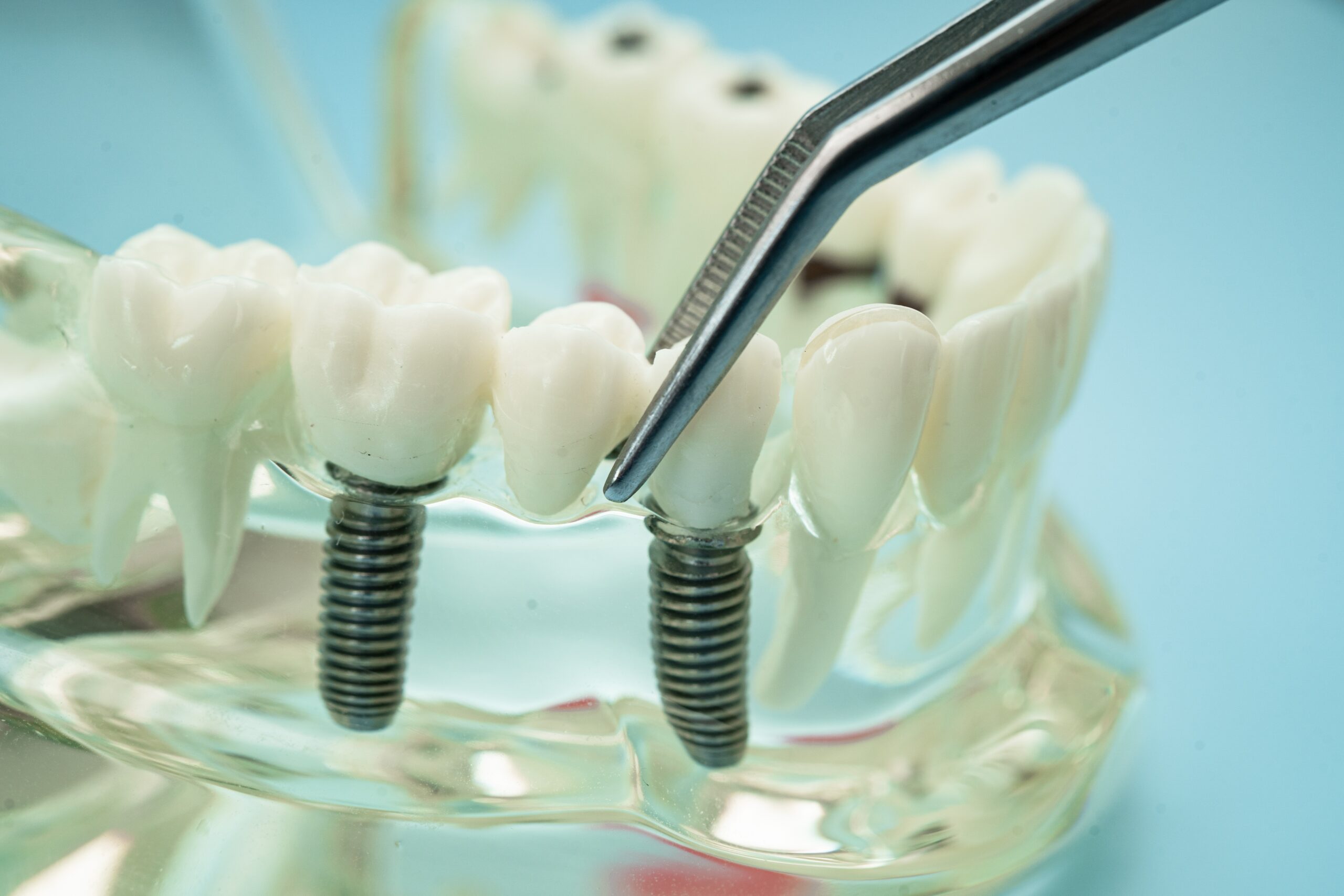
The gold standard for a reason. A titanium post replaces the root, a crown replaces the visible tooth, and the jawbone gets the stimulation it needs to stay intact. Implants look and feel like natural teeth, don’t require modifying adjacent teeth, and with proper care can last a lifetime. They’re our most commonly recommended solution for single-tooth replacement at Dehnert Dental.
Dental Bridges
A fixed bridge spans the gap using the adjacent teeth as anchors. It restores chewing and speech effectively and is a good option when the neighboring teeth already have crowns or significant restorations. It does not prevent bone resorption under the gap, but it’s a proven, durable solution that works well for many patients.
Partial or Full Dentures
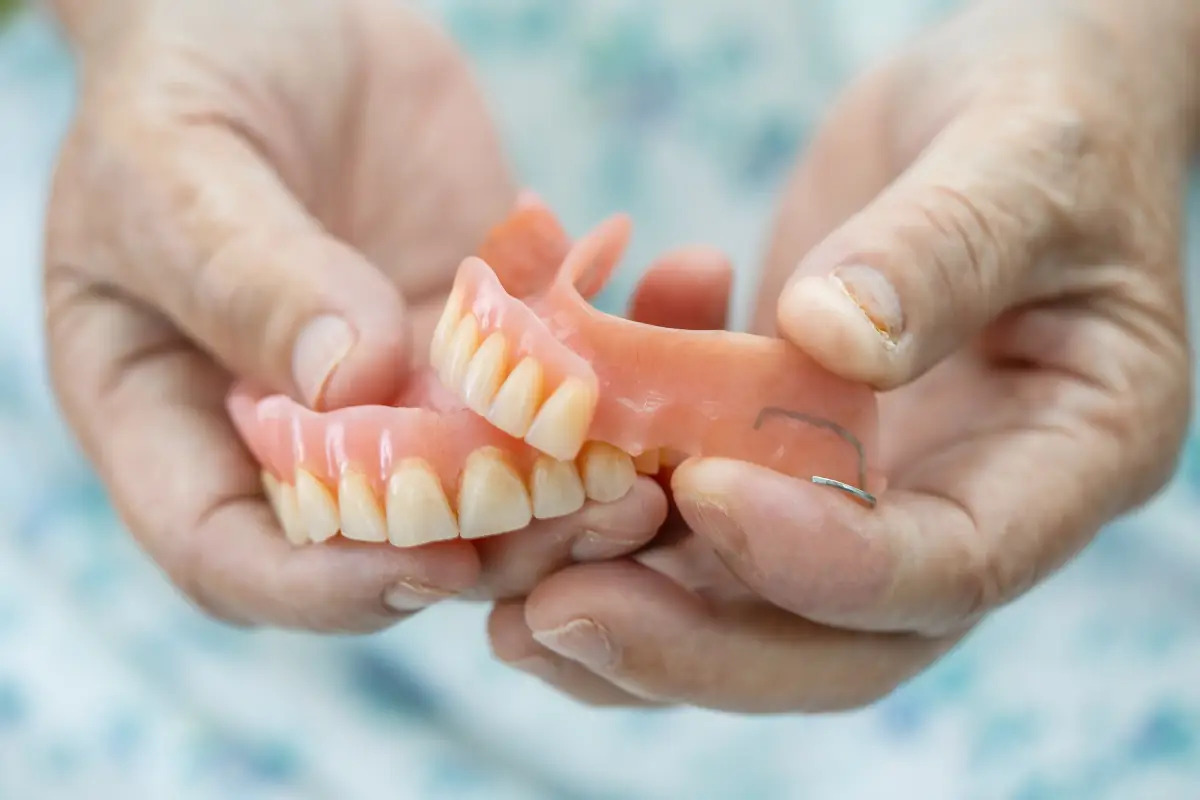
Removable dentures are a practical option when multiple teeth are missing. Modern dentures are significantly more natural-looking and comfortable than previous generations. While they don’t prevent bone resorption, they restore function and aesthetics. Implant-supported dentures combine the stability of implants with the coverage of a full arch — an increasingly popular option for patients who have experienced significant tooth loss.
Why Acting Sooner Protects More Than Just Your Smile
We understand that replacing a missing tooth isn’t always at the top of your priority list. Life gets busy. It may not hurt. It might not even be visible when you smile. But the physiological clock starts running the moment a tooth is lost.
Bone resorption begins within weeks. Adjacent teeth begin drifting within months. Speech changes and bite misalignment can develop within a year. The longer the gap goes unfilled, the more the surrounding tissue adapts to its absence — and the more complex (and costly) restoration becomes. Tucson’s active outdoor lifestyle — hiking the Catalina foothills, enjoying the culinary scene along 4th Avenue, staying healthy through the long sunny seasons — is betterYour Replacement Options: What Works, and for Whom
The good news: tooth loss doesn’t have to be permanent in its consequences. Modern restorative dentistry in Tucson offers several solutions, each with its own strengths:
Dental Implants
The gold standard for a reason. A titanium post replaces the root, a crown replaces the visible tooth, and the jawbone gets the stimulation it needs to stay intact. Implants look and feel like natural teeth, don’t require modifying adjacent teeth, and with proper care can last a lifetime. They’re our most commonly recommended solution for single-tooth replacement at Dehnert Dental.
Dental Bridges
A fixed bridge spans the gap using the adjacent teeth as anchors. It restores chewing and speech effectively and is a good option when the neighboring teeth already have crowns or significant restorations. It does not prevent bone resorption under the gap, but it’s a proven, durable solution that works well for many patients.
Partial or Full Dentures
Removable dentures are a practical option when multiple teeth are missing. Modern dentures are significantly more natural-looking and comfortable than previous generations. While they don’t prevent bone resorption, they restore function and aesthetics. Implant-supported dentures combine the stability of implants with the coverage of a full arch — an increasingly popular option for patients who have experienced significant tooth loss.
Why Acting Sooner Protects More Than Just Your Smile
We understand that replacing a missing tooth isn’t always at the top of your priority list. Life gets busy. It may not hurt. It might not even be visible when you smile. But the physiological clock starts running the moment a tooth is lost.
Bone resorption begins within weeks. Adjacent teeth begin drifting within months. Speech changes and bite misalignment can develop within a year. The longer the gap goes unfilled, the more the surrounding tissue adapts to its absence — and the more complex (and costly) restoration becomes. Tucson’s active outdoor lifestyle — hiking the Catalina foothills, enjoying the culinary scene along 4th Avenue, staying healthy through the long sunny seasons — is betterYour Replacement Options: What Works, and for Whom
The good news: tooth loss doesn’t have to be permanent in its consequences. Modern restorative dentistry in Tucson offers several solutions, each with its own strengths:
Dental Implants
The gold standard for a reason. A titanium post replaces the root, a crown replaces the visible tooth, and the jawbone gets the stimulation it needs to stay intact. Implants look and feel like natural teeth, don’t require modifying adjacent teeth, and with proper care can last a lifetime. They’re our most commonly recommended solution for single-tooth replacement at Dehnert Dental.
Dental Bridges
A fixed bridge spans the gap using the adjacent teeth as anchors. It restores chewing and speech effectively and is a good option when the neighboring teeth already have crowns or significant restorations. It does not prevent bone resorption under the gap, but it’s a proven, durable solution that works well for many patients.
Partial or Full Dentures
Removable dentures are a practical option when multiple teeth are missing. Modern dentures are significantly more natural-looking and comfortable than previous generations. While they don’t prevent bone resorption, they restore function and aesthetics. Implant-supported dentures combine the stability of implants with the coverage of a full arch — an increasingly popular option for patients who have experienced significant tooth loss.
Why Acting Sooner Protects More Than Just Your Smile
We understand that replacing a missing tooth isn’t always at the top of your priority list. Life gets busy. It may not hurt. It might not even be visible when you smile. But the physiological clock starts running the moment a tooth is lost.
Bone resorption begins within weeks. Adjacent teeth begin drifting within months. Speech changes and bite misalignment can develop within a year. The longer the gap goes unfilled, the more the surrounding tissue adapts to its absence — and the more complex (and costly) restoration becomes. Tucson’s active outdoor lifestyle — hiking the Catalina foothills, enjoying the culinary scene along 4th Avenue, staying healthy through the long sunny seasons — is better supported by a complete, functional mouth. Our team at Dehnert Dental believes preventive thinking applies just as much to replacing missing teeth as it does to preventing cavities.
Ready to Restore Your Smile and Your Function?
Tooth loss is common, but its long-term effects don’t have to be. Whether you’re missing one tooth or several, the team at Dehnert Dental in Tucson, AZ is here to walk you through your options with honesty and care — no pressure, just a clear picture of what’s happening in your mouth and what we can do about it. Dr. Piper Dehnert and Dr. LeeAat Mednick have helped hundreds of Tucson patients restore not just their smiles, but their confidence, their eating habits, and the long-term health of their jaws. We’d love to do the same for you.
Frequently Asked Questions
Q1: If it doesn’t hurt, does a missing tooth still need to be replaced?
Absolutely — and this is one of the most common misunderstandings we see. Pain is not a reliable indicator of whether damage is happening. Jawbone resorption, tooth drift, and bite changes all occur silently. You won’t feel your bone shrinking, but it will affect the shape of your face and the health of your remaining teeth over time.
The absence of pain doesn’t mean the absence of a problem. If anything, it means the damage is happening slowly enough that your body hasn’t triggered an alarm yet. That’s the time to act — before the alarm goes off.
The absence of pain doesn’t mean the absence of a problem. If anything, it means the damage is happening slowly enough that your body hasn’t triggered an alarm yet. That’s the time to act — before the alarm goes off.
Q2: How soon after a tooth is extracted should I look into a replacement?
As soon as possible, ideally within a few months. Bone loss begins within weeks of extraction, and the longer you wait, the more bone density is lost — which can affect whether a dental implant is even possible without a bone graft.
If you’re in Tucson, we recommend scheduling a consultation at Dehnert Dental within 2–3 months of an extraction so we can assess your bone levels and discuss the right restoration timeline for your situation.
If you’re in Tucson, we recommend scheduling a consultation at Dehnert Dental within 2–3 months of an extraction so we can assess your bone levels and discuss the right restoration timeline for your situation.
Q3: Will a dental implant really feel like a natural tooth?
Yes — and most patients are genuinely surprised by how natural an implant feels. Because the titanium post fuses with the jawbone (a process called osseointegration), it functions as a true root. There’s no rocking, no pressure on neighboring teeth, no food getting underneath.
Chewing, biting, and speaking all feel essentially the same as with a natural tooth. Many patients forget which tooth is the implant within a few months of placement.
Chewing, biting, and speaking all feel essentially the same as with a natural tooth. Many patients forget which tooth is the implant within a few months of placement.
Q4: Is restorative dental treatment covered by insurance?
Coverage varies by plan, but many dental insurance plans do cover a portion of restorative treatments such as crowns and bridges. Implants are less commonly covered, though this is slowly changing as more insurers recognize them as medically necessary.
At Dehnert Dental, our team works with patients to maximize their insurance benefits and explore financing options where coverage falls short. We’re happy to verify your benefits before your appointment so there are no surprises. Give us a call at (520) 628-2818 or visit us in Tucson to discuss your options.
At Dehnert Dental, our team works with patients to maximize their insurance benefits and explore financing options where coverage falls short. We’re happy to verify your benefits before your appointment so there are no surprises. Give us a call at (520) 628-2818 or visit us in Tucson to discuss your options.
Q5: Can I get a tooth replaced if I’ve already lost a significant amount of jawbone?
Yes, in most cases — though it may require an additional step. If bone loss is significant, a bone grafting procedure can rebuild the necessary bone volume before an implant is placed. This adds time to the overall process, but it’s a routine procedure we perform here in Tucson.
The key message is: it’s rarely “too late” to restore a missing tooth. Options exist even for patients who have been living without a tooth for years. The earlier you act, the simpler the process — but don’t let the fear of having waited too long stop you from exploring what’s possible.
The key message is: it’s rarely “too late” to restore a missing tooth. Options exist even for patients who have been living without a tooth for years. The earlier you act, the simpler the process — but don’t let the fear of having waited too long stop you from exploring what’s possible.


New Patients & Emergency Appointments Welcome!