
3945 E. Fort Lowell Suite #209 Tucson, Arizona 85712

By Dehnert Dental
Quick Summary: Why a Crown Beats a Filling
While a filling “plugs” a hole in a tooth, a dental crown “encapsulates” the entire structure. If a tooth has lost more than half of its natural width due to decay or trauma, a filling can actually act as a wedge, causing the tooth to split under the pressure of chewing. A crown protects the tooth from the outside in, distributing force evenly and preventing the need for a total extraction or a root canal down the road.
__________________________________________________________________________
If you’ve just left a dental checkup hearing that you need a crown, you might be feeling a bit skeptical. It is a common reaction. Most of us go into the dental office hoping for a quick, simple filling and a “see you in six months.” When the conversation shifts toward a crown, it’s natural to wonder if it’s truly necessary or if a filling could just do the job one more time.
Your hesitation is completely valid. A crown is a bigger commitment than a filling and not just about patching holes; it’s about structural integrity. The reality is that dentistry is often about structural integrity, much like architecture. There is a physical limit to what a filling can do, and once a tooth crosses that line, a filling becomes a liability rather than a solution.
What Exactly Is a Dental Crown?
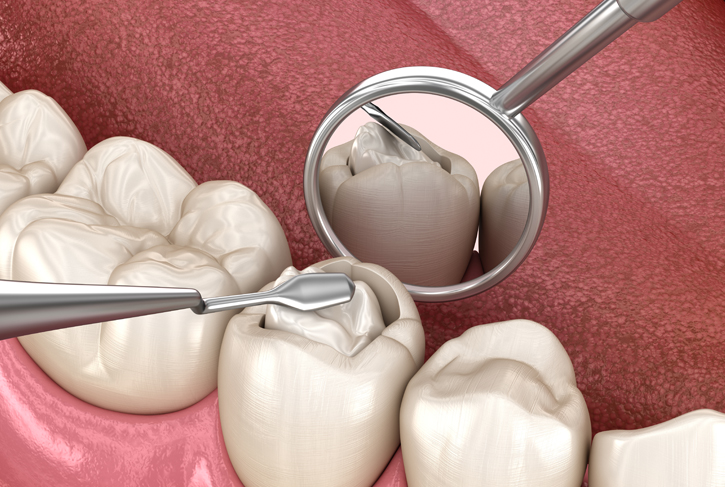
To understand why your dentist is making this call, it helps to know what a crown actually is. Think of a filling like a patch. If you have a small pothole in a road, you fill it. However, if the entire road is crumbling, a patch won’t help; you need to repave the surface.
A dental crown is a custom-made “cap” that fits completely over the part of your tooth that sits above the gum line. While a filling goes inside a tooth to plug a hole, a crown encases the tooth. It essentially becomes the tooth’s new outer shell, protecting the fragile structure underneath and restoring its original shape, size, and strength.
When Crowns Make Sense Instead of Fillings
Your dentist didn’t recommend this restorative procedure because they’re pushing unnecessary treatment. They recommended it because your specific tooth situation requires it. Here are the real scenarios where a dental crown in Tucson is genuinely the right choice:
Large or Deep Cavities
When a cavity is really big, the tooth structure that remains isn’t strong enough to support a filling by itself. Once you remove the decay, you might be left with a tooth that has lost more structure than it can handle. A filling material alone can’t provide the strength your tooth needs to function normally when you’re chewing.
Cracked or Broken Teeth
If your tooth is cracked or has a piece broken off, a filling won’t work. The fracture might go deep into the tooth or even below the gum line. A crown holds all the pieces together and prevents the crack from spreading, which could lead to losing the entire tooth if left untreated.
Root Canal Treatments
Teeth that have had root canals are more fragile because the nerve and blood vessels have been removed. These teeth become brittle and are more likely to crack. A crown protects the tooth and extends its lifespan significantly.
Failed or Failing Fillings
Sometimes old fillings start to break down or new decay forms around them. If your tooth already has a very large existing filling, there often isn’t enough healthy tooth structure left to simply place another filling. A crown covers everything and gives your tooth the best chance at long-term survival.
Significant Tooth Structure Loss
When too much of the original tooth is gone, whether from decay, damage, or previous dental work, there’s not enough tooth left to hold a filling securely. The filling might fall out, or the tooth might continue to break down. A crown solves this by creating a protective barrier around everything.
As one satisfied patient said:
I’ve been going to Dehnert Dental for years and highly recommend them. The team is kind, thoughtful, thorough, transparent, inclusive, and welcoming. And, they make sure my dental health is great and that I feel empowered to make informed decisions about my care. I’ve had crowns since I was a teenager, which have to be replaced periodically. The crowns I’ve gotten at Dehnert are the best looking and best fit I’ve had. In addition, when my mom, who also was a patient, passed from cancer they were so incredibly compassionate and caring. I can’t say enough good things about this practice and staff.
– H Metcalf
Experience speaks louder than words. Check out our Google reviews to hear directly from our patients.
Tucson’s Trusted Dental Practice for a Perfect Smile Restoration
For patients seeking long-term dental care in Tucson, the focus is always on long-term health rather than a quick fix. At Dehnert Dental, our dentist, Dr. Piper Dehnert, emphasizes a conservative but proactive approach. The goal is to save as much of your natural tooth as possible while ensuring the repair lasts for years to come.

Choosing a reliable professional means selecting materials that match the unique needs of your mouth. Whether you are enjoying a meal at a local spot or hiking in the Santa Catalinas, you want to be confident that your dental work is sturdy. As a trusted dentist Tucson patients rely on, Dr. Dehnert takes the time to explain the structural “why” behind the recommendation, ensuring you feel like a partner in your oral health journey rather than just a patient in a chair.
The Crown Procedure: Simpler and Less Painful Than You Think
If you’re nervous about the process, don’t be. Getting a tooth crown is a relatively straightforward procedure. Here’s what you can expect during your visit:
- Preparation: Your dentist will start by numbing the area with local anesthesia, so you won’t feel any pain. Then, they will remove the damaged or decayed part of the tooth and shape it so that it can fit the crown properly.
- Impression: Once the tooth is shaped, your dentist will take an impression of your tooth. This impression will be sent to a lab, where your custom crown will be made. In the meantime, a temporary crown will be placed to protect your tooth.
- Placement: When your permanent crown is ready, you’ll return to the office for the final fitting. Your dentist will remove the temporary crown, place the permanent one, and make any necessary adjustments. Once everything is in place, the crown will be cemented into position, and you’ll leave with a fully restored tooth.
It’s important to note that most patients report feeling little to no discomfort during the procedure, thanks to local anesthesia. Any post-procedure discomfort is typically mild and can be managed with over-the-counter pain relievers.
Crown Materials: What Are Your Options?
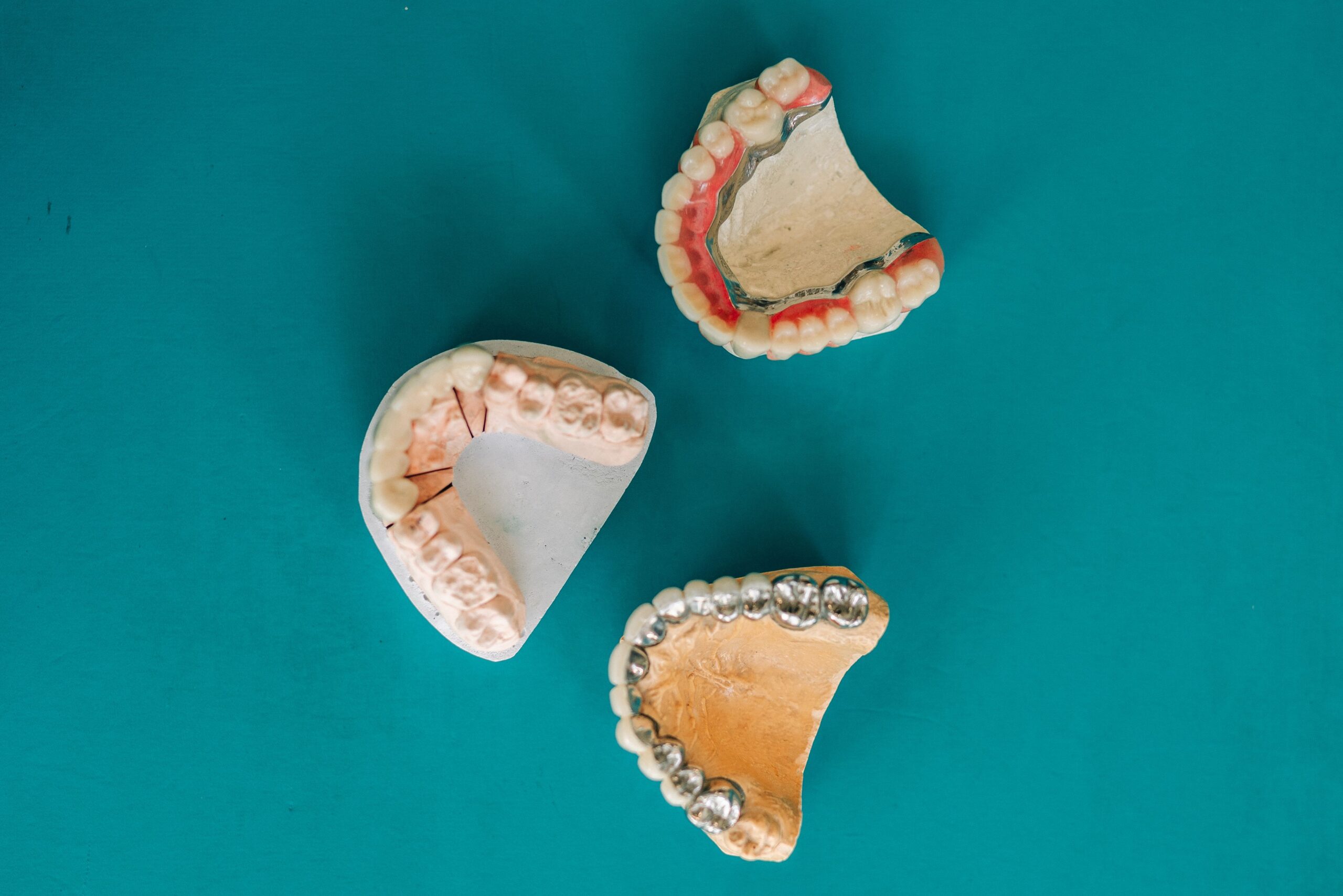
Dental crowns come in a variety of materials, each with its own benefits. Let’s take a look at the most common options:
- Porcelain Crowns: Porcelain crowns are often used for front teeth because they can be made to match the natural color of your teeth. They provide a lifelike appearance but may not be as durable for molars.
- Ceramic Crowns: Ceramic crowns are similar to porcelain and are also highly aesthetic. They are durable and ideal for areas that need to withstand more pressure, such as the back teeth.
- Zirconia Crowns: Zirconia crowns are made from a tough, durable material that’s great for both aesthetics and strength. They can be used for both front and back teeth.
- Metal Crowns: Metal crowns, such as those made from gold or alloys, are incredibly durable and wear-resistant. While they’re not as aesthetically pleasing, they’re often used for molars, where appearance is less of a concern.
With proper care, porcelain and ceramic crowns can last 10 to 15 years or even longer, ensuring a long-lasting solution for your dental needs.
Don’t Wait Until It Hurts

It is tempting to delay a crown if the tooth doesn’t currently hurt. However, dental problems don’t “heal” on their own; they only get more complex and more expensive the longer they are left unaddressed. A small crack today can become a vertical split tomorrow, turning a simple crown procedure into an emergency extraction and an implant.
If you’re still unsure about the steps to take, schedule a consultation with us. At Dehnert Dental, Dr. Dehnert focuses on transparent, no-pressure care. We want to help you understand the state of your tooth so you can make an informed decision for your future. A quick appointment is all it takes to find out exactly what your tooth needs to stay healthy and functional. Schedule an appointment today and ensure your oral health receives the best care possible.
Frequently Asked Questions
Does a crown feel different than a natural tooth?
Initially, it might feel slightly different to your tongue, but within a few days, your brain adjusts. Because it is custom-shaped to your bite, it should eventually feel completely natural.
Can a crowned tooth still get a cavity?
While the crown itself cannot decay, the tooth underneath it and the area where the crown meets the gum line still can. This is why hygiene remains vital.
Why not just pull the tooth?
Keeping your natural root in the jawbone is always the preferred option. Losing a tooth leads to bone loss and causes neighboring teeth to shift, which creates much more expensive problems down the road.
How do I care for a temporary crown?
While waiting for your permanent crown, avoid extremely sticky foods (like taffy) that could pull the temporary off, and be gentle when flossing around that specific area.

New Patients & Emergency Appointments Welcome!