
3945 E. Fort Lowell Suite #209 Tucson, Arizona 85712


By Dehnert Dental
Dental bridges are an excellent solution for replacing missing teeth, restoring function, and bringing back your confident smile. However, just like natural teeth, bridges require diligent care – especially when it comes to preventing gum disease. Without proper oral hygiene, bacteria can build up around your bridge, leading to inflammation, infection, and even damage to the supporting teeth or gums.
In this guide, we’ll explore the best practices for keeping your gums healthy and your dental bridge in great shape for years to come.
Why Gum Health Matters for Your Dental Bridge
Your dental bridge depends on the surrounding teeth and gums for support. If the gums become infected or recede, the stability of your bridge can be compromised. Gum disease – also known as periodontal disease – begins when plaque accumulates along the gumline. Over time, this can lead to gingivitis, characterized by redness, swelling, and bleeding.
If left untreated, gingivitis can progress to periodontitis, where the infection reaches deeper layers of the gums and bone. This advanced stage can weaken the teeth that anchor your bridge, causing discomfort, instability, or even bridge failure.
Daily Oral Hygiene Tips
1. Brush Twice Daily – The Right Way
Use a soft-bristle toothbrush to gently clean your bridge and natural teeth at least twice a day. Hold the brush at a 45-degree angle to your gums and move it in small circular motions. Pay close attention to the gumline around your bridge to prevent plaque buildup.
2. Floss Under Your Bridge
Traditional floss may not work well for cleaning under a bridge, so consider using a floss threader or super floss. These tools allow you to guide the floss underneath the artificial tooth (pontic) to remove trapped food particles and bacteria.
3. Try an Interdental Brush or Water Flosser
Interdental brushes and water flossers are excellent for reaching tight spaces around your bridge and along the gumline. Water flossers, in particular, can flush out debris and reduce the risk of inflammation.
Professional Dental Care
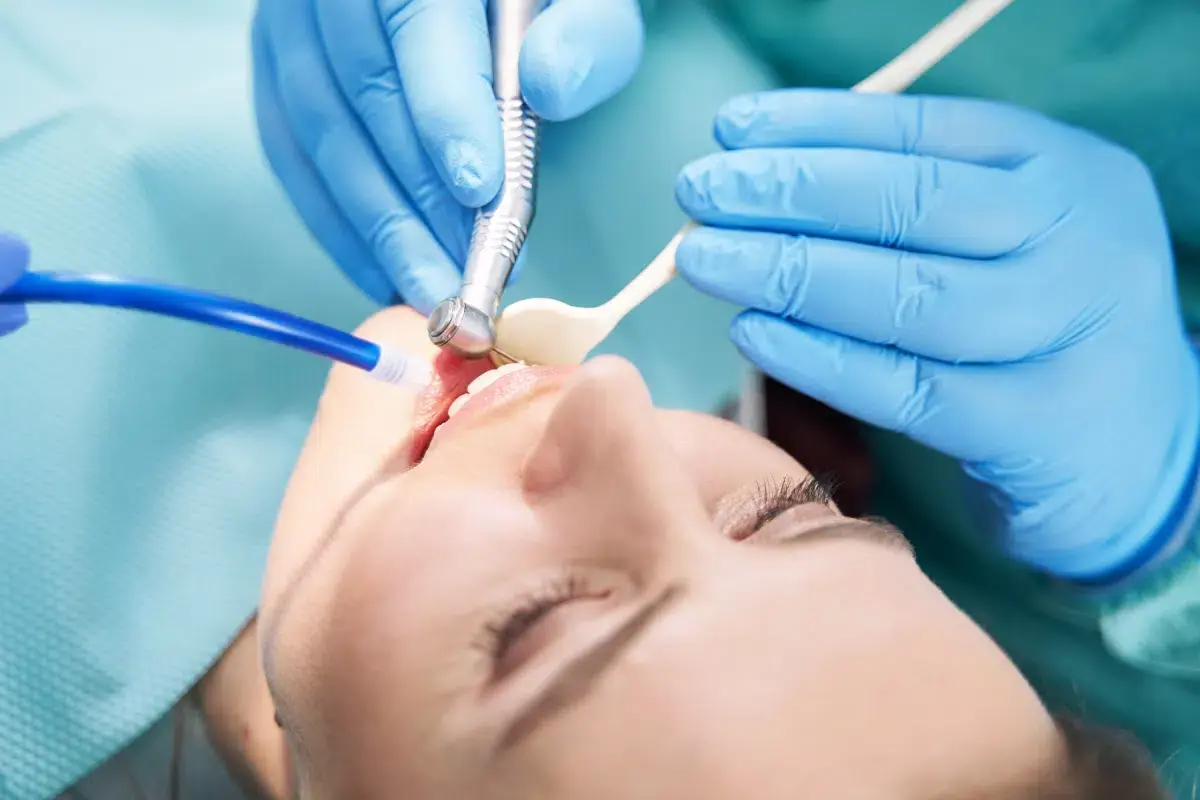
Even with a meticulous at-home routine, professional care is essential. Schedule regular checkups and cleanings at your dental office in Tucson to ensure your bridge and gums are healthy. Your dentist can detect early signs of gum disease and recommend treatments before problems worsen.
During professional cleanings, special tools are used to remove hardened plaque (tartar) that can’t be eliminated by brushing or flossing alone. This step is critical in preventing gum infections.
Lifestyle Habits That Protect Gum Health
1. Eat a Gum-Friendly Diet
Limit sugary snacks and beverages, as these feed harmful bacteria that cause plaque buildup. Incorporate foods rich in vitamin C (like citrus fruits and bell peppers) to strengthen gum tissue, and include calcium-rich foods (like dairy and leafy greens) to support bone health.
2. Quit Smoking
Smoking significantly increases the risk of gum disease and slows healing after dental work. If you smoke, consider seeking support to quit – it will greatly improve your gum health and the longevity of your dental bridge.
3. Stay Hydrated
Drinking water helps wash away food particles and bacteria, maintaining a healthier oral environment. It also prevents dry mouth, which can increase gum disease risk.
Warning Signs of Gum Disease to Watch For
Catching gum problems early is key to preventing serious damage. Be on the lookout for:
- Persistent bad breath
- Red, swollen, or tender gums
- Bleeding while brushing or flossing
- Gum recession (teeth looking longer)
- Sensitivity around your bridge
If you notice any of these symptoms, book an appointment with your dentist right away for evaluation and treatment.
Special Cleaning Techniques for Dental Bridges
Because food and plaque can easily get trapped beneath and around your bridge, these cleaning methods can help:
- Super Floss: This three-part floss includes a stiff end, a spongy middle, and regular floss to reach under the bridge.
- Water Flosser with Orthodontic Tip: Designed to target hard-to-reach spaces, making cleaning faster and more effective.
- Antimicrobial Mouthwash: Helps reduce bacteria that contribute to gum disease.
The Role of Regular Dental Checkups
Visiting your dentist at least twice a year (or more often if recommended) ensures that any gum issues are caught early. Your dentist will check for proper bridge fit, gum health, and the condition of supporting teeth. If adjustments are needed, they can be made before any long-term damage occurs.
In some cases, your dentist may recommend deep cleaning procedures, such as scaling and root planing, if gum disease is detected. This helps remove plaque and bacteria from below the gumline, giving your gums a chance to heal.
Final Thoughts
Your dental bridge is a valuable investment in your smile and oral health. By combining daily home care, healthy lifestyle choices, and regular professional visits, you can significantly reduce the risk of gum disease and extend the life of your bridge.
Remember: prevention is always easier – and less costly – than treatment. With the right approach, you can enjoy a strong, healthy smile for many years to come.


New Patients & Emergency Appointments Welcome!