
3945 E. Fort Lowell Suite #209 Tucson, Arizona 85712

By Dehnert Dental
Adjusting to life with dentures can be a smooth process if you know what to expect. Here are some practical tips to help you adapt effectively and enjoy your new smile.
Understanding Your New Dentures
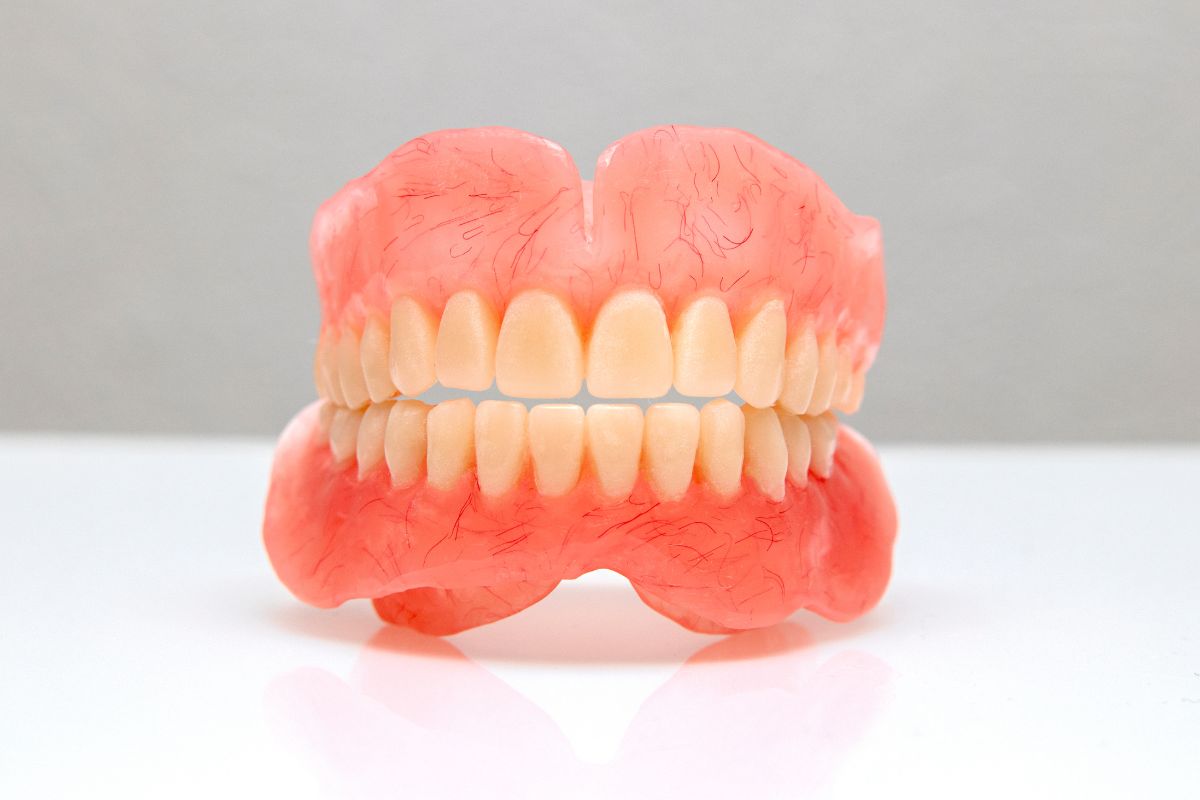
Getting used to partial and complete dentures in Tucson takes time. Initially, your mouth will need to adjust to the new appliance, and it’s common to feel some discomfort. Your dentures may feel bulky or slightly irritating at first. This is normal and usually temporary. As your mouth adjusts, the sensation of having dentures should diminish. It’s essential to remember that the initial discomfort is just part of the adaptation process. With time, wearing dentures will become second nature.
Managing Discomfort
If you experience persistent pain or irritation, don’t hesitate to contact your dentist. Dentures should fit comfortably and not cause ongoing discomfort. Your dentist can make precise adjustments to ensure a better fit and alleviate any pain. It’s crucial to address these issues early to prevent further complications. In some cases, minor sore spots might appear; these are usually easy to fix with a simple adjustment at your dental office.
Mastering Eating with Dentures
Eating with dentures can be a bit of a learning curve. Start by consuming soft foods, such as mashed potatoes, yogurt, and scrambled eggs. Gradually introduce more solid foods as you become more comfortable. Cutting your food into smaller pieces can make chewing easier. Additionally, chew slowly and evenly to help prevent your dentures from shifting. Avoid sticky or hard foods like caramel and nuts, which can dislodge your dentures and make eating uncomfortable.
Maintaining Oral Hygiene
Maintaining good oral hygiene is crucial when you have dentures. Clean your dentures daily using a brush specifically designed for dentures, as regular toothbrushes can be too harsh. Rinse your dentures thoroughly after each meal to remove food particles and reduce the risk of odor. Also, clean your mouth and gums with a soft toothbrush or sponge to maintain overall oral health. It’s important to keep both your dentures and mouth clean to prevent infections and ensure a fresh feeling.
Securing Your Dentures
Using denture adhesive can provide extra security and prevent your dentures from slipping. Apply a thin layer of adhesive to the base of the denture before placing it in your mouth. This can help create a better seal and make your dentures feel more stable. Follow the manufacturer’s instructions carefully to achieve the best results. If you find that the adhesive isn’t working as well as it should, consult your dentist for advice on alternative products or techniques.
Adjusting Your Speech
Many people notice changes in their speech when they first start wearing dentures. You might find yourself mumbling or having difficulty pronouncing certain words. Practice speaking out loud and reading aloud to help your mouth adjust to the new dentures. This practice will help improve your articulation and make you feel more confident. Over time, your speech will return to normal as you become accustomed to the feel of the dentures in your mouth.
Regular Dental Check-ups
Regular dental check-ups are essential for maintaining your dentures and overall oral health. Schedule routine visits to your dentist to ensure that your dentures are fitting correctly and to make any necessary adjustments. During these visits, your dentist will also check for any signs of gum disease or other issues that could affect your oral health. Keeping up with regular appointments helps prevent complications and ensures that your dentures continue to function properly.
Handling Denture Care
Proper care and storage of your dentures are important for their longevity. When not in use, store your dentures in water or a denture solution to keep them moist and prevent warping. Avoid using hot water, as it can damage the dentures. Cleaning them regularly with a denture cleaner will help remove stains and maintain their appearance. Proper storage and care ensure that your dentures remain in good condition and function effectively.
Adapting to Changes in Appearance
It’s natural to notice some changes in your appearance when you first start wearing dentures. Your facial muscles will gradually adjust, and your smile will look more natural over time. It might take a little while to get used to how your dentures affect your appearance, but with patience, you’ll find that they enhance your smile and boost your confidence. Remember, your dentures are designed to improve both function and aesthetics, making you feel better about your smile.
Conclusion
Adapting to life with partial and complete dentures in Tucson involves a period of adjustment, but with these tips, you can make the transition smoother. Remember to maintain good oral hygiene, manage discomfort, and visit your dentist regularly. By following these guidelines, you can ensure a comfortable and successful adaptation to your new dentures. With patience and care, your dentures will soon feel like a natural part of your daily life, enhancing your smile and confidence.


New Patients & Emergency Appointments Welcome!