
3945 E. Fort Lowell Suite #209 Tucson, Arizona 85712


By Dehnert Dental
Maintaining healthy teeth and gums isn’t just about aesthetics—it’s essential for your overall well-being. When damage, decay, or tooth loss occurs, restorative dentistry steps in to help repair and rebuild your smile. Whether it’s a minor cavity or a missing tooth, the right dental treatment can improve both the function and appearance of your mouth.
In this article, we’ll explore what restorative dentistry involves, the various treatment options available, and the benefits it offers to patients.
What is Restorative Dentistry?
Restorative dentistry focuses on diagnosing and treating oral health issues that affect the teeth, gums, and supporting structures. The primary aim is to restore the function, integrity, and appearance of damaged or missing teeth. This field of dentistry encompasses a wide range of treatments, from simple fillings to full-mouth restorations.
If you’re searching for restorative dentistry in Tucson, it’s essential to find a provider who combines clinical precision with personalized care to ensure optimal outcomes.
Why Is Restorative Dentistry So Important?
Restorative dentistry goes beyond cosmetic appearance. It helps rebuild oral function, prevents future dental issues, and supports overall health. Untreated tooth loss or decay can lead to gum disease, bone loss, and changes in facial structure.
According to the Centers for Disease Control and Prevention (CDC), nearly 26% of adults aged 65 and older in the U.S. have lost all their teeth. Even among younger adults, partial tooth loss is common. This highlights the importance of proactive, professional care.
Here in Tucson, many patients turn to restorative care not just for looks, but for lasting comfort and function.
Benefits of Restorative Dentistry
There are several advantages to seeking restorative dental treatments:
1. Enhanced Oral Function
Missing or damaged teeth can make it difficult to chew food or speak clearly. Restorative procedures, such as crowns and bridges, restore proper alignment and bite, helping you eat and speak with confidence.
2. Improved Aesthetics
Beyond function, restorative dentistry also plays a major role in improving the visual appeal of your smile. With advanced materials that mimic the natural look of enamel, restorations can blend seamlessly with your existing teeth.
3. Prevention of Further Damage
Untreated dental issues like cavities or cracked teeth can lead to more significant problems, including infection or tooth loss. Restorative treatments address the problem early, preventing the need for more invasive procedures later on.
4. Long-Term Cost Savings
Proactively restoring a damaged tooth can save you money in the long run by avoiding the complications that arise from untreated dental issues.
5. Boost in Self-Confidence
A complete, healthy smile can make a huge difference in your confidence. Whether you’re at work, with friends, or taking photos, you’ll feel better knowing your smile looks and feels great.
Common Applications of Restorative Dentistry
Restorative dentistry isn’t a one-size-fits-all approach. It’s customized based on the specific condition of your teeth and gums. Some of the most common applications include:
● Repairing Decayed Teeth
Cavities are among the most common dental problems. Tooth-colored fillings are used to restore teeth affected by decay while maintaining a natural appearance.
● Restoring Broken or Fractured Teeth
Dental crowns and inlays/onlays can rebuild teeth that have been chipped, cracked, or structurally compromised due to trauma or wear.
● Replacing Missing Teeth
Missing teeth are not only a cosmetic concern but also affect oral health. Options like dental implants, bridges, and dentures can replace missing teeth and prevent the surrounding teeth from shifting.
● Addressing Root Canal Infections
When the inner pulp of a tooth becomes infected, root canal therapy is used to clean and seal the tooth, preventing extraction.
Types of Restorative Dental Treatments
Depending on your oral condition, a Tucson restorative dentist might recommend one or more of the following types of treatments:
1. Dental Fillings
Fillings are the most basic restorative treatment used to fix small areas of tooth decay. Composite resin materials are most commonly used because of their durability and natural look.
2. Crowns
Crowns are custom-made caps that cover the entire tooth to restore its shape, size, strength, and appearance. They are often used after a root canal or when a tooth is severely damaged.
3. Bridges
Dental bridges are used to replace one or more missing teeth. They anchor to the surrounding natural teeth or implants and help restore the bite and appearance.
4. Dentures
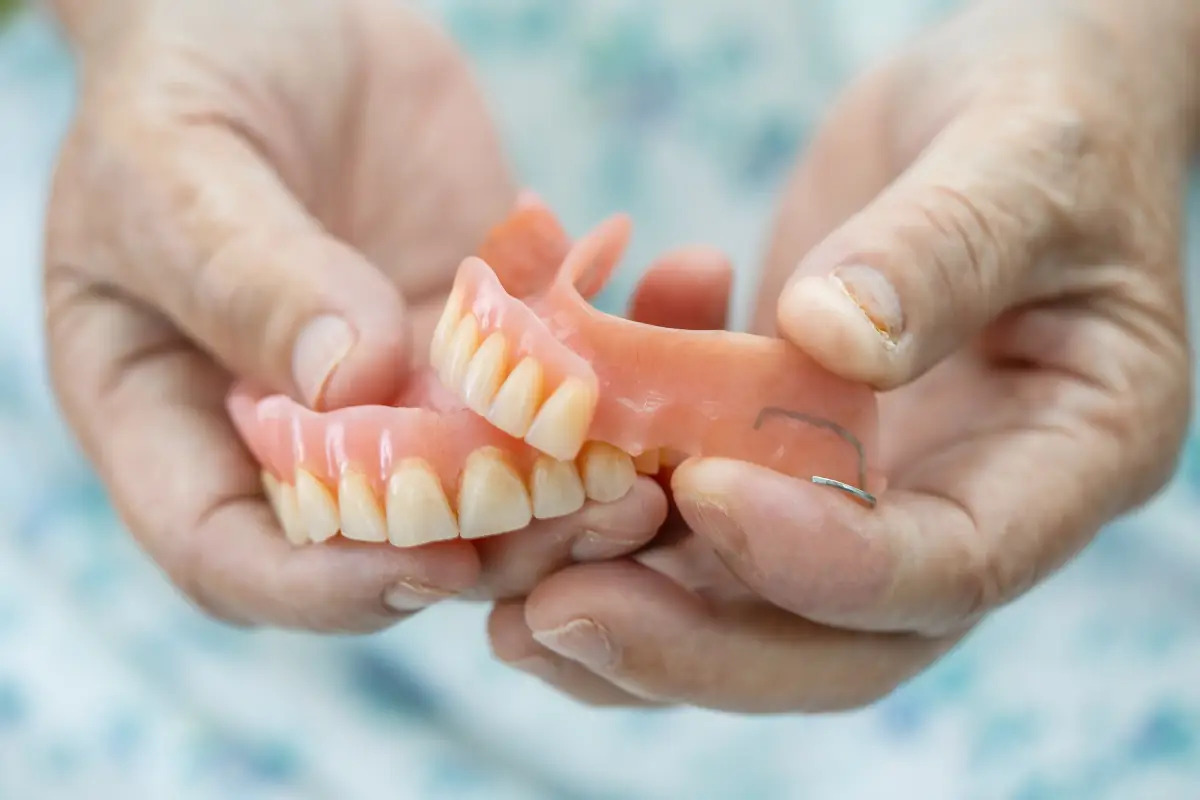
Full or partial dentures are removable appliances that replace missing teeth. They are ideal for patients who have lost several or all of their teeth.
5. Dental Implants
Implants are titanium posts surgically placed into the jawbone to serve as artificial tooth roots. They offer unmatched stability and longevity for those seeking a permanent tooth replacement option.
6. Inlays and Onlays
These are used when a tooth is too damaged for a filling but not damaged enough to require a full crown. They are made of porcelain or composite resin and are bonded to the tooth’s surface.
Who Needs Restorative Dentistry?
Anyone experiencing tooth pain, missing teeth, or visible damage may be a candidate for restorative dentistry. Age, lifestyle habits, and past dental work can all contribute to the need for restorative procedures.
If you’re looking for a dentist near Tucson, choose a practice that offers comprehensive diagnostics and a patient-centered approach.
Frequently Asked Questions (FAQs)
Q: How long do crowns or bridges last?
With proper care, crowns and bridges can last between 10–15 years or longer. Regular checkups help extend their lifespan.
Q: Are veneers a permanent solution?
Veneers typically last 7–15 years. They require some enamel removal, so they’re considered an irreversible treatment, but they offer long-lasting results.
Q: Will insurance cover restorative treatments?
Many dental plans cover a portion of restorative procedures. Your Tucson dental provider can help navigate coverage and financing options.
Q: Is the process painful?
Modern techniques and anesthesia


New Patients & Emergency Appointments Welcome!