
3945 E. Fort Lowell Suite #209 Tucson, Arizona 85712

By Dehnert Dental
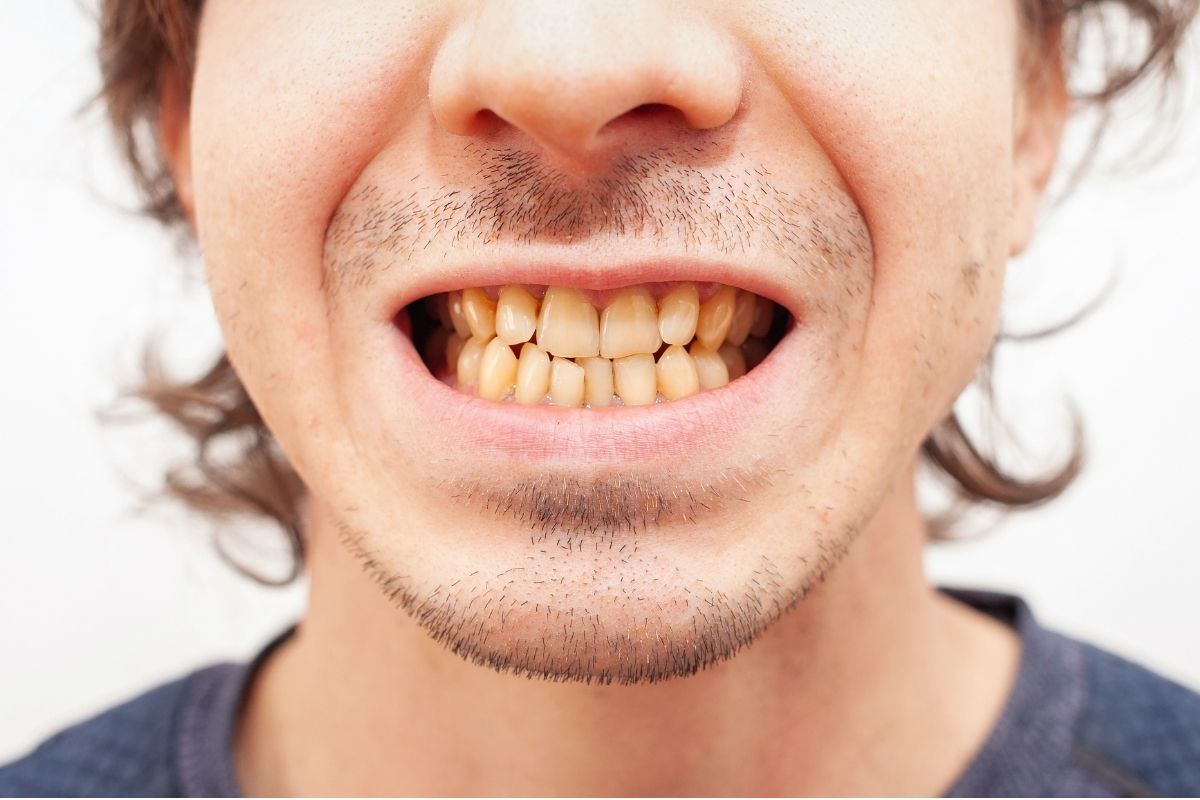
Having a bright, confident smile can change how you feel about yourself—and how others see you. But over time, tooth discoloration and stains can dull your smile. Common habits like drinking coffee, tea, or wine, smoking, and even certain foods can leave unwanted marks on your enamel. The good news? You can remove stains from teeth safely and effectively with the right methods and professional dental care.
This guide explains what causes tooth stains, how to get rid of stains on teeth, and which professional treatments work best when you want long-lasting results.
Understanding Tooth Stains
Before you can remove stains, it helps to know what type of discoloration you’re dealing with. Dentists categorize tooth stains into three main types:
- Extrinsic stains – These are surface stains that affect the outer layer of enamel. They usually come from food, drinks, tobacco, and poor oral hygiene. Common examples include coffee and tea stains, or yellowing from smoking.
- Intrinsic stains – These develop inside the tooth enamel or dentin and may result from medication use, trauma, or excessive fluoride exposure. They’re usually harder to treat and often require professional whitening.
- Age-related stains – As we age, the enamel naturally wears down, revealing the darker dentin beneath. Combined with years of exposure to staining substances, this leads to a duller, more yellow smile.
Identifying which type of staining you have helps your dentist recommend the best treatment plan.
At-Home Remedies to Remove Tooth Stains
While professional dental cleaning offers the most effective results, certain at-home strategies can help maintain your brightness or lessen mild discoloration between visits.
- Brushing With Whitening Toothpaste
Choose a toothpaste that contains mild abrasives or ingredients like hydrogen peroxide. These can gently polish your teeth and help remove coffee stains and other surface discoloration. Brush for at least two minutes twice daily, and don’t forget to floss. - Oil Pulling
Swishing coconut oil in your mouth for 10–15 minutes can help remove some surface stains and bacteria. This method is natural, safe, and can complement your brushing routine. - Baking Soda and Hydrogen Peroxide Paste
A mix of baking soda and a few drops of hydrogen peroxide can act as a mild bleaching solution. However, use this sparingly—overuse can wear down enamel. - Whitening Strips or Gels
Over-the-counter whitening strips contain low concentrations of peroxide and can help with minor extrinsic stains. Be sure to follow instructions closely to avoid gum irritation. - Diet Adjustments
Minimize stain-causing foods and drinks such as coffee, red wine, and dark berries. Rinse your mouth with water after consuming them to reduce their staining effect.
Though these options can help with light discoloration, they have limits. For deep stains or black marks on enamel, it’s best to visit our dental office for professional care.
Professional Treatments to Remove Tooth Stains
If you’ve tried home remedies but still see discoloration, professional dental procedures can provide the transformation you need. Modern dentistry offers safe, effective techniques to carefully lift stains while protecting enamel health.
- Professional Teeth Cleaning
Regular cleanings every six months are critical for stain prevention. Hygienists use specialized tools to remove plaque, tartar, and surface stains that brushing often misses. - Teeth Whitening Treatments
In-office whitening procedures provide the fastest and most noticeable results. Using high-grade bleaching agents activated by light or laser, dentists can whiten your teeth by several shades in one visit. This is especially effective if you need to remove coffee stains or light tobacco marks. - Custom Whitening Trays
For continued whitening at home, dentists can create custom trays fitted to your teeth. You’ll apply a prescribed whitening gel inside the trays daily, allowing gradual but thorough stain removal. - Enamel Microabrasion
For localized discolorations or black spots, microabrasion gently removes a thin layer of stained enamel, leaving your teeth brighter and smoother. - Veneers or Bonding for Intrinsic Stains
When tooth discoloration is internal or resistant to bleaching, treatments like dental veneers or composite bonding provide the most aesthetic results. Veneers are thin porcelain shells that cover the front of teeth, instantly masking stains and improving shape and alignment.
How to Prevent Tooth Stains After Treatment
Once your teeth are bright again, maintaining them is key. A few preventive habits can help keep your smile stain-free:
- Brush twice daily with fluoride toothpaste and floss regularly.
- Drink plenty of water, especially after meals.
- Limit staining foods and beverages, or use a straw when consuming dark liquids.
- Quit smoking or using tobacco products.
- Schedule regular checkups every six months to catch developing stains early.
If you notice early signs of discoloration returning, don’t wait too long—book an appointment with your dentist to discuss maintenance options.
When to Visit Our Dental Office
Knowing when to seek professional help makes all the difference. If you notice:
- Black stains between your teeth or near the gums,
- Persistent yellowing that does not improve with at-home products, or
- Tooth sensitivity and enamel wear,
It’s time to visit our dental office for an expert evaluation. A dentist can determine the underlying cause, whether it’s dietary, bacterial, or structural, and suggest a treatment tailored to your needs.
Why Professional Care Is Worth It
While it may be tempting to try whitening hacks from the internet, professional care ensures long-term safety and results. Dental-grade whitening products are tested for enamel protection, and expert supervision prevents over-bleaching or gum irritation. You’ll also receive personalized advice on maintaining your results based on your oral health and daily habits.
Whether you want to remove black stains on teeth caused by plaque, get rid of coffee discoloration, or need help to remove deep intrinsic stains, your dentist can deliver safe, lasting brightness that enhances your confidence.
Final Thoughts
Tooth discoloration can happen to anyone, but restoring your smile doesn’t have to be complicated. Modern dental technology makes it easier than ever to remove black stains on teeth, lift surface discoloration, and reveal a radiant appearance.
If you’re ready to remove tooth stains and bring back your white, confident smile, book an appointment today and visit our dental office for a professional cleaning or whitening treatment. A brighter, healthier smile is just one visit away.
How to Remove Stains from Teeth Naturally?
Natural methods to remove stains on teeth focus on gentle, non-toxic ingredients that reduce surface discoloration. Common approaches include brushing with baking soda, which acts as a mild abrasive to polish away stains and reduce plaque. Coconut oil pulling is another popular method—swishing coconut oil in your mouth for 10–15 minutes can help eliminate bacteria and surface stains. Fruit enzymes from papaya or pineapple may offer some whitening benefits, but should be used cautiously due to their acidity. Activated charcoal is also used for its absorbent properties to lift stains. However, it’s important to avoid acidic home remedies like lemon juice and apple cider vinegar used frequently, as they can erode enamel and make teeth more susceptible to staining. For lasting results and safety, consulting a dentist is recommended to remove stains on teeth.
How to Remove Stains from Teeth Instantly?
Instant removal of teeth stains typically requires professional dental treatments. In-office whitening is the fastest way to brighten teeth and remove coffee stains, black stains, or other discolorations. Dentists use stronger bleaching agents combined with light or laser activation to achieve visible results in one session. For quick at-home relief, whitening strips or gels can lighten surface stains but not as dramatically or instantly as professional care. Immediate surface cleaning and polishing by a dental hygienist during a professional cleaning visit can also help remove fresh or mild stains. Remember, many “instant” home remedies only provide temporary or mild improvements.
How to Remove Stains from Teeth with Baking Soda?
Baking soda is an effective, gentle abrasive used to remove surface stains and plaque buildup on teeth. To use it, make a paste by mixing a small amount of baking soda with water or hydrogen peroxide, then brush your teeth with the paste for 1–2 minutes. This helps polish away coffee stains and other discoloration. Baking soda also creates an alkaline environment that inhibits bacteria associated with stains. However, it should be used sparingly (e.g., once or twice a week) because excessive use can wear down enamel. Avoid vigorous brushing to protect gums and tooth surfaces. For deeper or persistent stains, professional treatments may be needed in addition to baking soda use.
How to Remove Stains from Teeth for Kids?
For children, stain removal should focus on gentle and safe oral hygiene practices. Parents should encourage regular brushing twice daily with fluoride toothpaste to prevent staining and maintain enamel health. Baking soda can be used occasionally, but only under dental guidance. Avoid abrasive or harsh whitening products for kids, as their teeth and gums are more sensitive. Limiting stain-causing foods and drinks like chocolate, colored juices, and candies helps prevent staining.
How to Remove Brown Stains from Teeth Naturally?
Brown stains can be reduced naturally with careful use of gentle abrasives and antibacterial agents. Brushing with baking soda helps break down surface stains and plaque. Coconut oil pulling works as a natural antibacterial rinse that may prevent further discoloration. Activated charcoal, when used cautiously, can absorb stain pigments. Some people use diluted apple cider vinegar rinses sparingly for its mild bleaching effects, though overuse can harm enamel. Dietary changes—reducing coffee, tea, and sugary foods—also help prevent worsening stains. For stubborn brown stains, natural methods may have limitations; scheduling a dentist appointment ensures safe, effective stain removal and long-term prevention.



New Patients & Emergency Appointments Welcome!