
3945 E. Fort Lowell Suite #209 Tucson, Arizona 85712


By Dehnert Dental
Choosing the right cosmetic dental treatment can be overwhelming. Two popular options are porcelain veneers and bonding. Both offer unique benefits and cater to different needs. In this guide, we’ll break down their features to help you make an informed decision.
What Are Porcelain Veneers?
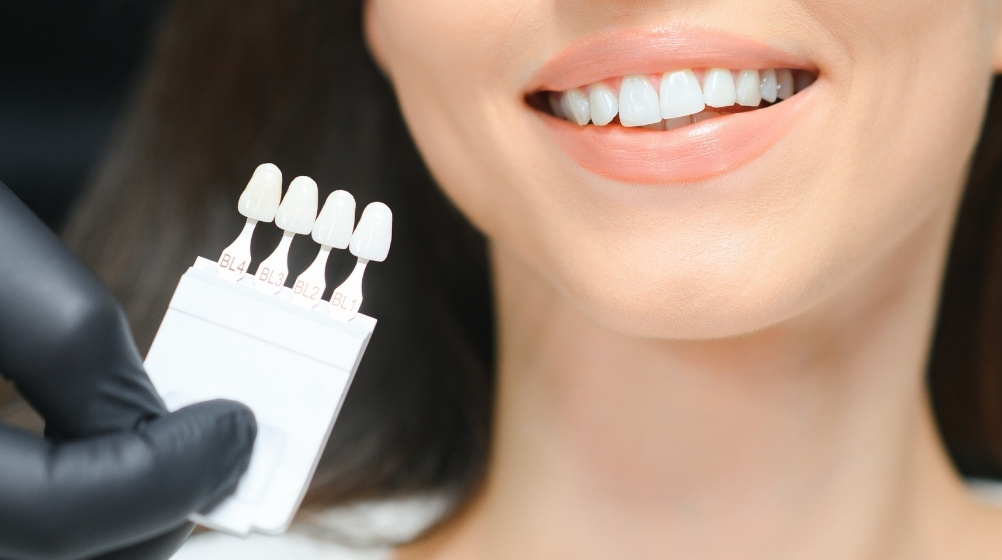
Porcelain veneers are thin shells made of ceramic. They cover the front surface of your teeth, improving their appearance. Veneers are designed to address various issues such as discoloration, chipped edges, and gaps. They are custom-made to fit perfectly and look natural.
Pros:
- Durability: Porcelain veneers are highly durable and can last 10-15 years with proper care.
- Stain-Resistant: They resist stains better than natural teeth.
- Aesthetic Appeal: Veneers offer a natural, glossy finish that enhances your smile.
Cons:
- Cost: They tend to be more expensive compared to bonding.
- Irreversible: The process involves removing a small amount of enamel, which is permanent.
What Is Dental Bonding?
Dental bonding involves applying a tooth-colored resin to your teeth. The resin is sculpted to correct imperfections and then hardened with a special light. Bonding is typically used for minor repairs, such as small chips or cracks.
Pros:
- Cost-Effective: Bonding is generally less expensive than veneers.
- Quick Procedure: The bonding process usually takes only one visit.
- Reversible: It requires less enamel removal compared to veneers.
Cons:
- Durability: Bonding is not as long-lasting as veneers and may need touch-ups.
- Stain-Prone: The resin used in bonding can stain over time.
Which Solution Fits Your Needs?
The choice between porcelain veneers and bonding depends on your specific needs and budget.
For Long-Term Results: If you’re looking for a long-lasting solution with a natural appearance, porcelain veneers are a great option. They offer excellent durability and resistance to staining, making them ideal for a long-term investment in your smile.
For Quick Fixes: If you need a cost-effective solution for minor imperfections and want quick results, bonding is a suitable choice. It’s less invasive and perfect for minor repairs or improvements.
The Procedure Comparison
Porcelain Veneers:
- Initial Consultation: Your dentist will evaluate your teeth and discuss your goals.
- Preparation: A small amount of enamel is removed to fit the veneers.
- Impression: Molds of your teeth are taken for custom veneers.
- Placement: Once ready, the veneers are bonded to your teeth.
Bonding:
- Consultation: Similar to veneers, your dentist assesses your needs.
- Application: The resin is applied directly to your teeth.
- Shaping: The resin is sculpted to match the desired look.
- Curing: A special light hardens the resin, completing the procedure.
Maintenance and Care
Both treatments require regular dental care. However, porcelain veneers typically need less maintenance. Brush and floss daily and visit your dentist for routine check-ups. Avoiding habits that could damage veneers or bonding, such as grinding your teeth, is essential.
Conclusion
Choosing between porcelain veneers and bonding ultimately depends on your cosmetic goals, budget, and how long you want the results to last. Both options offer significant benefits, but understanding their differences can help you make the best decision for your smile.
For personalized advice tailored to your needs, consult with a professional in cosmetic dentistry in Tucson. They can provide insights based on your specific situation and help you achieve the smile you’ve always wanted.


New Patients & Emergency Appointments Welcome!