
3945 E. Fort Lowell Suite #209 Tucson, Arizona 85712

By Dehnert Dental
If your dentist in Tucson has recommended a dental crown, you may be wondering what exactly the procedure involves and what you can expect before, during, and after your appointment. Whether you’re getting a crown to restore a damaged tooth or enhance your smile, understanding the process can help ease any anxiety and prepare you for a smooth experience.
This blog will walk you through everything you need to know about getting a dental crown in Tucson, from the initial consultation to the final placement.
What is a Dental Crown?
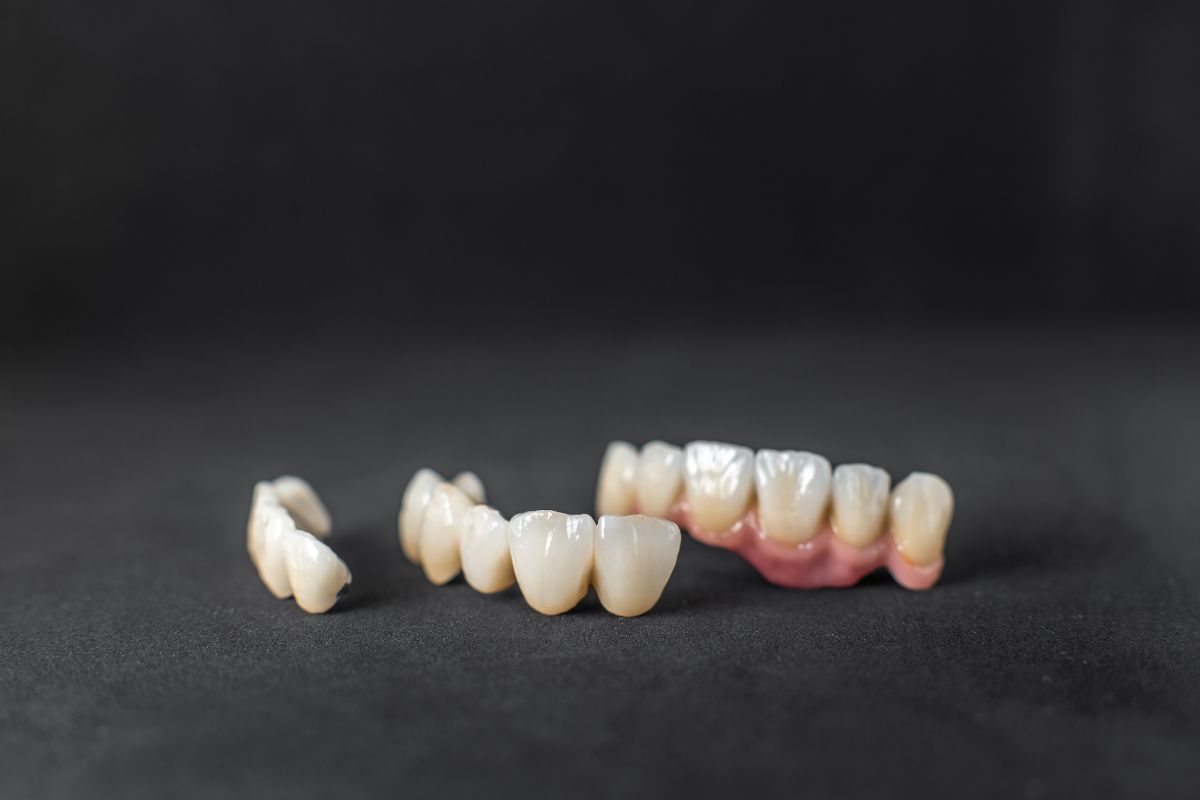
A dental crown is a custom-made cap placed over a damaged, decayed, or weakened tooth. Crowns are designed to restore the shape, size, strength, and appearance of a tooth. They are commonly used for:
- Protecting a weak or cracked tooth
- Restoring a broken or worn-down tooth
- Covering a tooth after a root canal
- Anchoring a dental bridge
- Covering a dental implant
- Enhancing cosmetic appearance
In Tucson, dental crowns are made from various materials like porcelain, ceramic, metal, or a combination of materials. Porcelain crowns are especially popular for their natural appearance and durability.
Step-by-Step: The Dental Crown Procedure
1. Initial Consultation and Examination
The process begins with a consultation at your Tucson dental office. During this visit, your dentist will:
- Examine your teeth and gums
- Take X-rays to assess the roots and surrounding bone
- Discuss your symptoms and concerns
- Recommend a treatment plan
If a dental crown is necessary, your dentist will explain the type of crown best suited for your needs – based on location, appearance, and function.
2. Tooth Preparation
In most cases, the crown procedure requires two visits unless your dentist offers same-day crowns in Tucson using advanced CAD/CAM technology.
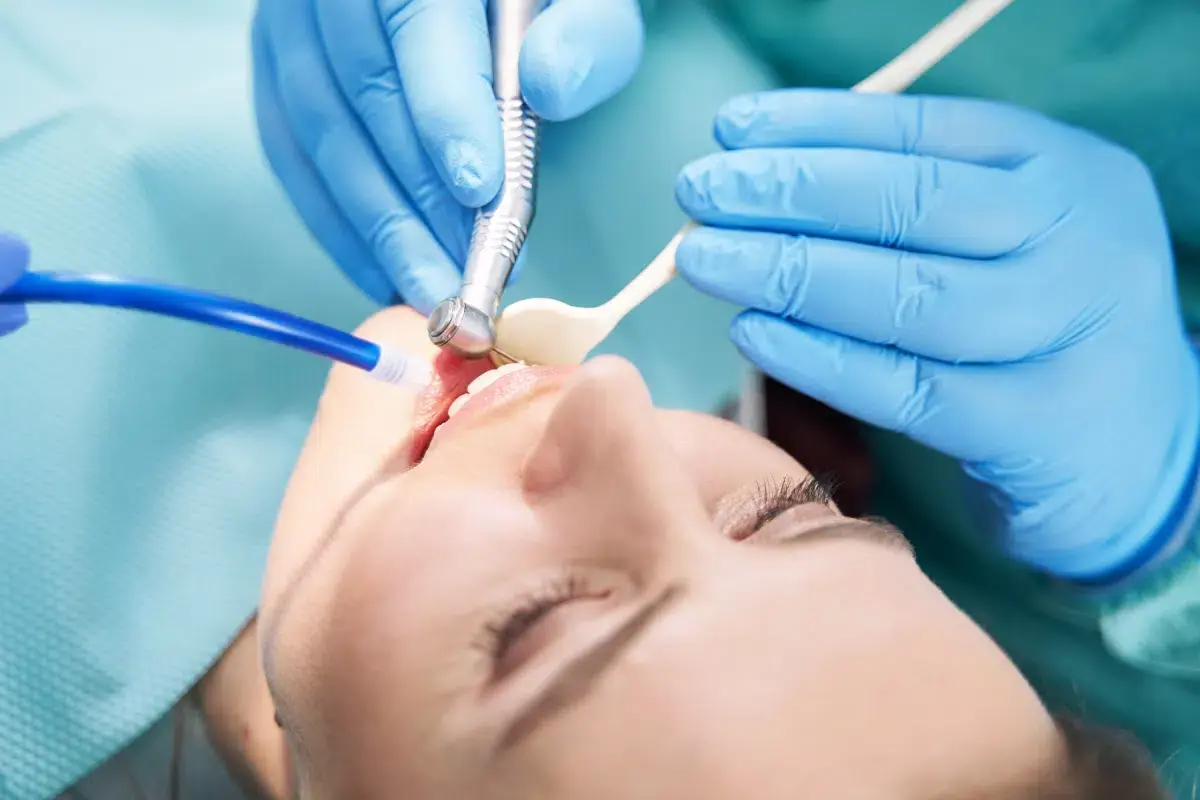
During the first visit, your dentist will prepare the tooth by:
- Administering local anesthesia to numb the area
- Removing any decay or damaged portions of the tooth
- Shaping the tooth to create space for the crown
If a large portion of the tooth is missing, your dentist may build it up with a filling material to support the crown.
3. Impressions and Temporary Crown
After the tooth is shaped, your dentist will take digital or physical impressions of your mouth. These impressions are used to create your custom dental crown.
While the permanent crown is being made (which typically takes 1–2 weeks in a dental lab), a temporary crown will be placed over your tooth to protect it.
Tips for caring for a temporary crown:
- Avoid sticky or hard foods
- Chew on the opposite side of your mouth
- Brush and floss gently around the area
4. Fitting and Cementing the Permanent Crown
At your second visit, your Tucson dentist will:
- Remove the temporary crown
- Clean and dry the tooth
- Check the fit, shape, and color of the permanent crown
- Make necessary adjustments
- Cement the crown in place using dental adhesive
Same-Day Dental Crowns Treatment
Some modern dental offices in Tucson offer same-day crowns using CEREC or other CAD/CAM systems. These procedures involve digital impressions and on-site milling of the crown, allowing the entire treatment to be completed in just one appointment.
Benefits of same-day crowns include:
- No need for a temporary crown
- Fewer dental visits
- Fast and precise digital imaging
- Durable ceramic material
Ask your dentist if same-day crowns are an option for your specific case.
What to Expect After the Procedure
After your permanent crown is placed, it’s normal to experience mild sensitivity or soreness for a few days. Here’s what you can expect:
1. Sensitivity and Discomfort
- You may notice sensitivity to hot or cold temperatures.
- Mild gum tenderness around the crown is common.
- Over-the-counter pain relievers usually help manage discomfort.
If you experience severe pain or your bite feels off, contact your dentist promptly for an adjustment.
2. Getting Used to the Crown
It may take a few days to get used to the feel of your new crown. However, once you adjust, it should feel just like a natural tooth and allow you to chew, speak, and smile confidently.
Caring for Your Dental Crown
Proper care can extend the life of your dental crown for 10 to 15 years or longer. Here are a few essential tips:
- Brush twice daily with a fluoride toothpaste
- Floss gently around the crown to prevent gum disease
- Use a night guard if you grind your teeth
- Avoid chewing ice or biting down on hard objects
- Visit your Tucson dentist for regular checkups and cleanings
Crowns are durable, but they’re not indestructible. Following your dentist’s instructions can help you maintain the health and function of your restored tooth.
Which Food Is Best After Dental Crown Treatment?
After getting a dental crown, it’s important to choose soft, gentle foods that won’t put pressure on your newly treated tooth. For the first 24–48 hours, stick to soft and easy-to-chew foods like mashed potatoes, yogurt, scrambled eggs, smoothies, oatmeal, steamed vegetables, applesauce, and soup (lukewarm, not hot). These options are soothing and help minimize discomfort or sensitivity while avoiding damage to the crown. Protein-rich foods like soft-cooked fish, tofu, or tender chicken (cut into small pieces) are also good choices to support healing.
Avoid anything too crunchy, hard, sticky, or chewy during the initial recovery. Drinking plenty of water and staying hydrated also supports oral health and healing. As your sensitivity decreases and your dentist gives the go-ahead, you can slowly reintroduce firmer foods into your diet. The key is to chew carefully, ideally on the opposite side of your crown in the early days, and avoid putting direct pressure on the crown until it feels fully comfortable. Choosing the right foods not only protects your crown but also helps reduce inflammation and promotes a faster, smoother recovery.
Which Things To Avoid After Dental Crown Treatment?
1. Avoid Sticky or Chewy Foods
Foods like gum, caramel, or taffy can pull at your crown -especially if it’s a temporary crown. Even with a permanent crown, sticky foods may weaken the cement or dislodge the crown.
Avoid: chewing gum, toffees, gummy candies
2. Don’t Eat Hard or Crunchy Foods Right Away
Hard foods can crack or chip your new crown, particularly porcelain crowns. Your dentist will advise when it’s safe to resume your regular diet.
Avoid: nuts, hard candies, ice, raw vegetables (initially)
3. Avoid Using the Crowned Tooth Immediately
Wait until numbness wears off completely before eating or drinking. This helps prevent accidentally biting your cheek, or tongue, or damaging the crown by chewing without full sensation.
4. Avoid Very Hot or Cold Foods
New crowns can cause temporary tooth sensitivity, especially to temperature extremes. Let food and drinks reach a moderate temperature before consumption.
Avoid: hot coffee, iced drinks, soup straight from the stove
5. Don’t Use the Crowned Tooth as a Tool
Using your teeth to open packages, tear tape, or hold objects can damage both the crown and your natural teeth.
Never use teeth to cut or open anything!
6. Avoid Grinding or Clenching Your Teeth
If you grind your teeth (bruxism), this puts pressure on the crown and may cause it to crack or become loose. Your dentist may recommend a night guard if you clench during sleep.
Avoid: chewing on pens, fingernails, or hard objects
7. Skip Alcoholic Beverages for 24 Hours
Alcohol can interfere with crown cementation if you have just had it placed. It’s best to avoid it on the first day post-treatment.
FAQs About Dental Crowns in Tucson
Q: How long does it take to get a crown?
A: In most Tucson offices, the process takes two visits. Some offer same-day crowns with advanced in-office milling.
Q: Will my dental insurance cover it?
A: Most plans partially cover crowns when medically necessary. It’s best to check with your local provider for specifics.
Q: Do crowns require special care?
A: Brush and floss like normal. Avoid chewing hard items like ice or popcorn kernels to extend lifespan.
Q: Are crowns painful?
A: The process is usually painless with local anesthesia. Some patients experience mild sensitivity afterward, which fades in a few days.


New Patients & Emergency Appointments Welcome!