
3945 E. Fort Lowell Suite #209 Tucson, Arizona 85712

By Dehnert Dental
It’s easy to brush off that extra candy bar or sugary soda. After all, what’s the harm in a little treat now and then? But for many in Tucson, what starts as an innocent craving can spiral into something more serious—like tooth decay, infections, and eventually, tooth loss. And once a tooth is gone, restoring that gap often means turning to dental bridges.
If you’re wondering how something as simple as sweets could lead to needing a dental bridge in Tucson, you’re not alone. Let’s break down the science behind the sugar, the damage it can cause, and how dental bridges offer a long-term solution. We’ll also touch on how your local dental office can help with everything from prevention to veneers and full smile restoration.
The Sugar-Damage Connection: What Happens Inside Your Mouth?
When you eat sugary snacks, bacteria in your mouth feed on the sugar and produce acid. That acid erodes your enamel—the protective outer layer of your teeth. Over time, this erosion can lead to cavities. Left untreated, cavities can deepen, reach the pulp, cause infections, and eventually result in tooth loss.
According to the American Dental Association (ADA), over 90% of adults in the U.S. have had at least one cavity. And in areas with higher-than-average sugar consumption and limited dental care access, that number can be even higher. Tucson residents are no exception, especially with the popularity of sodas, spicy-sweet snacks, and on-the-go sugary treats.
When Decay Leads to Tooth Loss: The Need for a Dental Bridge
Once a tooth is lost—whether due to decay, gum disease, or injury—it leaves behind more than just a visual gap. Your remaining teeth can shift, your bite may become unbalanced, and you may experience issues with chewing or speaking clearly.
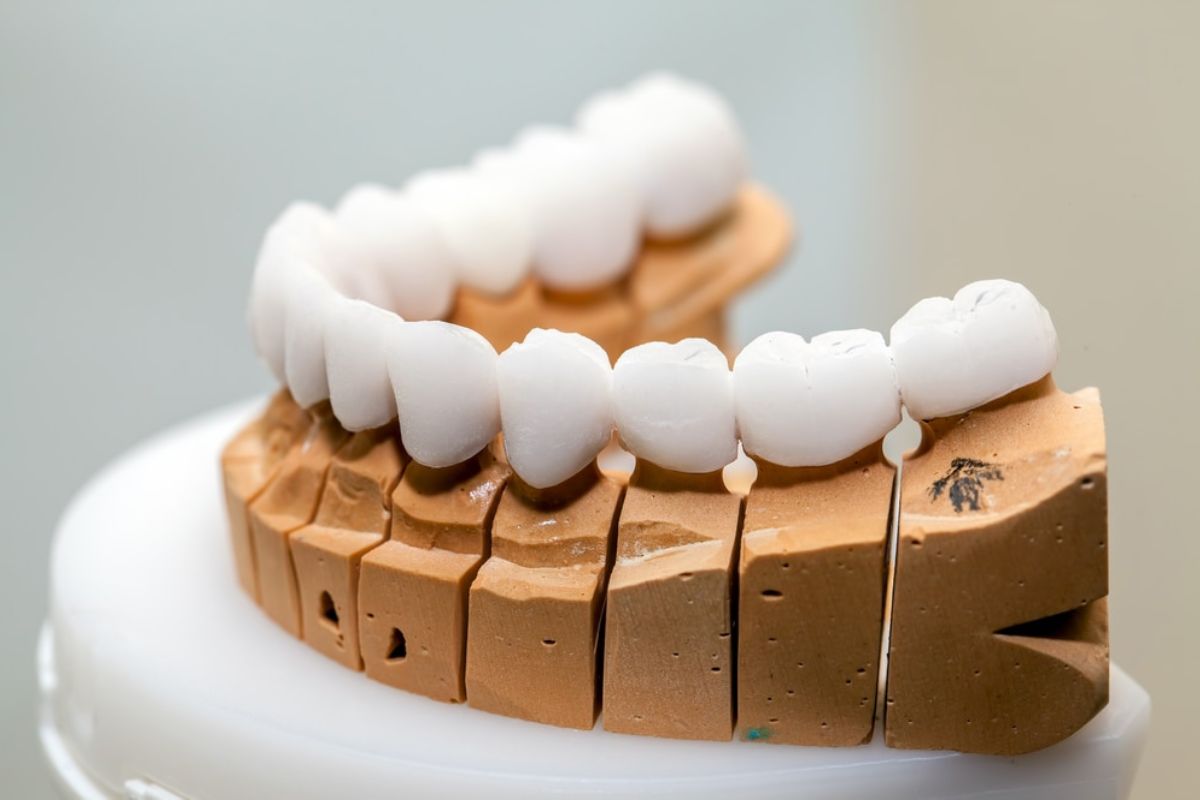
A dental bridge literally “bridges” the gap by anchoring an artificial tooth between two crowns placed on the adjacent teeth. This not only restores your smile but also maintains facial structure and helps distribute bite forces evenly.
Common Signs You May Need a Dental Bridge:
- Persistent tooth pain or sensitivity
- A visible gap from a missing tooth
- Difficulty chewing or speaking
- Shifting or loose teeth
- Changes in your bite
Exploring Your Options: Fixed vs. Removable Dental Bridges
When you visit a dental office in Tucson, Arizona, your dentist may discuss different types of bridges based on your oral health and lifestyle.
Fixed Dental Bridges
These are the most common and are cemented permanently in place. Ideal for those who want a low-maintenance solution.
Removable Bridges
Often used as a temporary option, removable bridges are easier to clean but may require more care and aren’t as stable as fixed versions.
Implant-Supported Bridges
When multiple teeth are missing, implant-supported bridges offer a more secure, longer-lasting solution. While this option takes longer and can cost more, it preserves jawbone density and prevents facial sagging.
Dental Bridges vs. Veneers: When to Choose What
While veneers are excellent for cosmetic fixes like stains, chips, or slightly misaligned teeth, they don’t replace missing teeth. If a tooth is lost or severely damaged beyond repair, a veneer won’t help—but a dental bridge can.
A skilled dentist in Tucson will evaluate whether a tooth can be saved or if replacement is necessary. In some cases, combining treatments like veneers and bridges can create a uniform, attractive smile.
Prevention Starts at Home (and in the Chair)
The best way to avoid needing a dental bridge? Prevent tooth decay before it starts.
Tips to Prevent Sugar-Related Decay
- Limit sugary drinks and snacks
- Rinse your mouth or brush after eating sugar
- Use fluoride toothpaste
- Visit your dental office for regular cleanings
Dentists often spot early signs of decay long before you feel symptoms. Routine check-ups can be the difference between a minor filling and a full dental bridge procedure.
Schedule an Appointment with your local Tucson dental office to assess your oral health and receive personalized advice.
Why Tucson Residents Shouldn’t Delay Dental Care
In Tucson’s dry climate, hydration is key—not just for your body but also for your mouth. A dry mouth lacks the saliva needed to wash away food particles and neutralize acids, which speeds up decay. Combine that with frequent sugary snacks and missed dental appointments, and the risk of needing a dental bridge increases.
Local practices understand the unique dental challenges in the region and offer tailored care—from preventive services to full restorations.
FAQs: Dental Bridges in Tucson
Q: How long do dental bridges last?
A: With proper care, dental bridges can last 10 to 15 years or even longer. Regular check-ups and good oral hygiene are key.
Q: Are dental bridges covered by insurance?
A: Many insurance plans cover part of the cost, but coverage varies. Your Tucson dental office can help you review your benefits and options.
Q: Do bridges look natural?
A: Yes, modern dental bridges are designed to blend seamlessly with your natural teeth. Custom shades and shapes ensure a natural look.
Q: Is the procedure painful?
A: Most patients experience minimal discomfort. Local anesthesia is used during the procedure, and any post-procedure soreness typically fades within a few days.
Final Thoughts: Repair the Damage, Restore Your Confidence
Sugary snacks may seem harmless, but the damage they cause can linger long after the last bite. When that damage leads to tooth loss, dental bridges in Tucson offer a reliable, natural-looking solution. Whether you’re dealing with decay, missing teeth, or just want to maintain a healthy smile, your local dental office is here to guide you.
A bridge doesn’t just restore your teeth—it restores your confidence. Don’t wait until a small problem turns into a bigger one. Take the first step toward a healthier smile today.
Schedule an Appointment and let your smile shine, gap-free.



New Patients & Emergency Appointments Welcome!