
3945 E. Fort Lowell Suite #209 Tucson, Arizona 85712

By Dehnert Dental
Hearing that you need a root canal can be a bit alarming, and that’s completely normal. Root canals often have a bad reputation, but much of what people think about the procedure isn’t accurate. These fears come from old stories and outdated methods.
In this blog, we’ll clear up the misconceptions and provide you with the facts so that you can feel confident and informed about your dental care.
Why Root Canals Have an Unfair Reputation?
For a long time, dental procedures were genuinely uncomfortable. Anesthesia was limited, and techniques were basic. Patients experienced real pain, and they discussed it with their families. Those stories got passed down. Today, the procedure is completely different, but the old reputation stuck.
Dentistry has come a long way. Modern tools, better anesthetics, and refined methods have transformed this procedure entirely. What your grandparents experienced in the 1970s is nothing like what happens today. It is time to update the story.
What an RCT Actually Does to Your Tooth
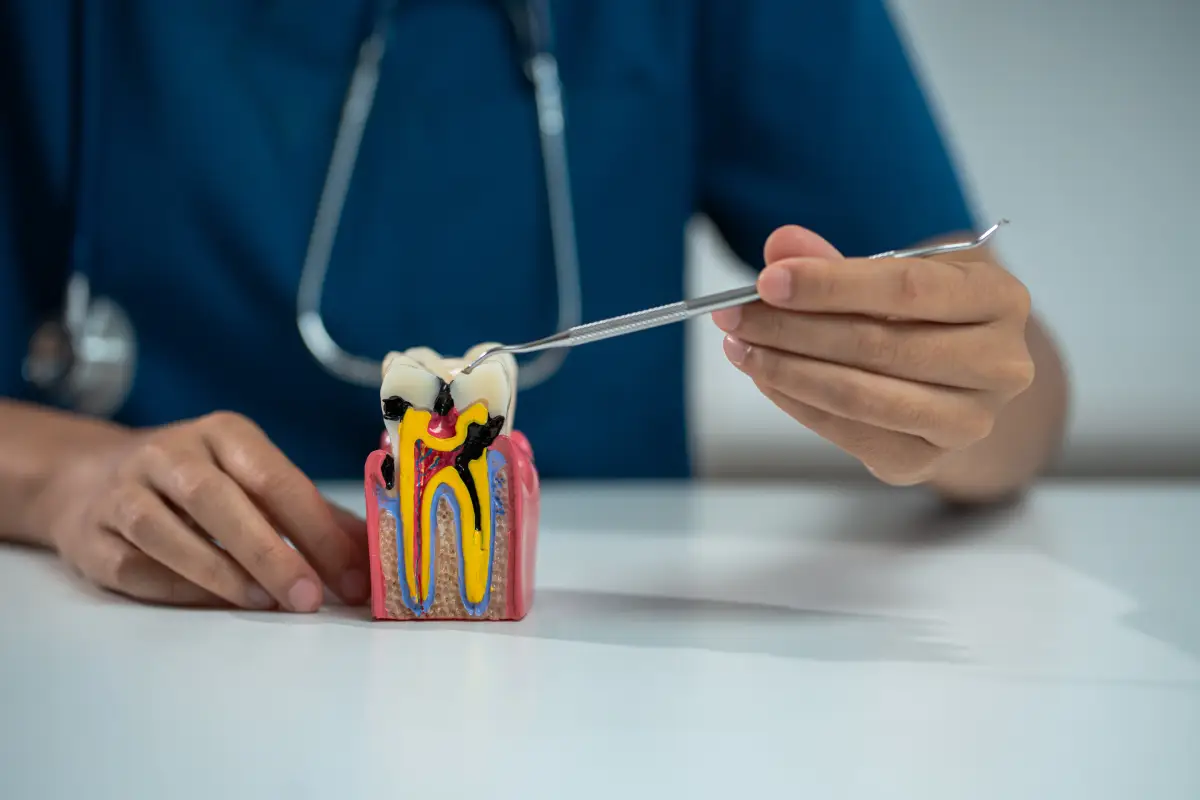
The pulp inside each tooth is a soft tissue that contains nerves and blood vessels and plays a vital role in its health. When bacteria reach the pulp through a crack, deep cavity, or injury, infection sets in. If ignored, the infection spreads and causes serious pain.
This procedure is designed to remove the infected pulp, clean the inside of the tooth, and seal it against further bacterial damage. The inside of the tooth is thoroughly cleaned and disinfected, then sealed to keep bacteria out. A crown is placed over the tooth to protect it and enhance its strength. The tooth stays in place, the infection is gone, and your smile remains intact.
Think of it in a positive way; the procedure doesn’t cause damage; it stops the damage that was already happening.
Does a Root Canal Hurt? Here Is the Honest Answer

This is the question everyone wants answered first. So let us address it directly.
According to the American Association of Endodontists, modern RCTs are reported to be no more painful than getting a filling. The pain you are dreading is actually already present; it is the infection causing it, not the treatment. The procedure relieves that pain. It does not create it.
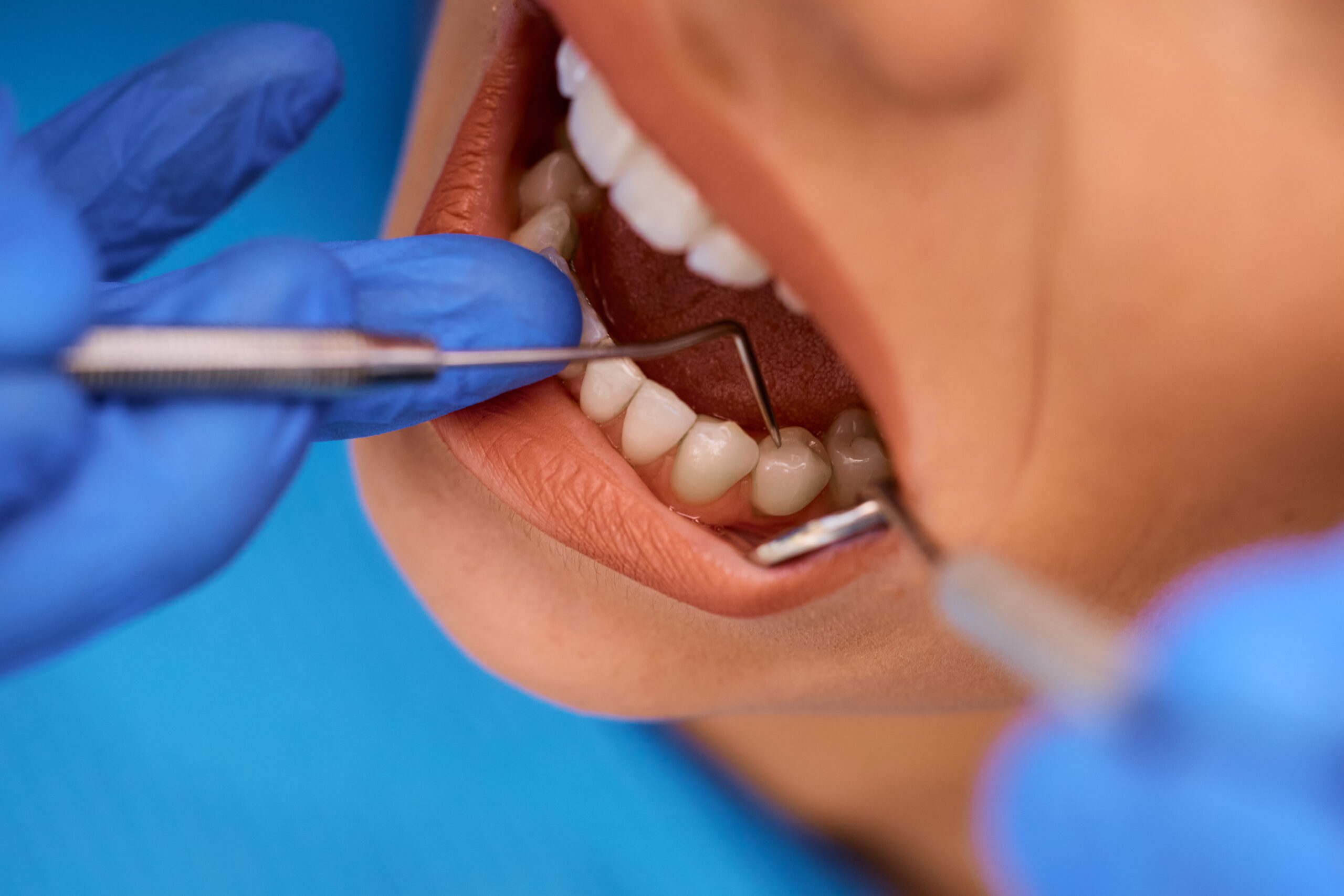
Your dentist applies local anesthesia before anything begins. The area goes numb. Most patients report feeling pressure a little at the beginning, not sharp pain. After the appointment, you may feel mild soreness for a couple of days; however, it goes away quickly.
Signs Your Tooth May Need a Root Canal
Your body sends clear signals when something is wrong inside a tooth. Watch for these warning signs:
• Severe, throbbing toothache that does not go away
• Sensitivity to hot or cold that lingers long after the source is gone
• Swollen, tender, or darkened gums near the affected tooth
• A small pimple-like bump on the gum near the tooth root
• Noticeable darkening or discoloration of the tooth itself
• Pain that gets worse when you bite down or apply pressure
If any of these symptoms seem familiar, don’t delay seeking help. Dental infections do not resolve on their own; they grow. The sooner you act, the easier the solution.
Comfortable Root Canal Treatment Is Right Here at Dehnert Dental
Dehnert Dental offers root canal treatment at their Tucson dental office with a calm, no-pressure approach. Dr. Dehnert and the team understand that walking through the door is the hardest step. They take patient comfort seriously, from the moment you arrive to the moment you leave. She has spent years helping anxious patients get through procedures they were dreading, and root canal treatment is no exception.

Tucson’s desert climate is tougher on your teeth than most people realize. Low humidity and high heat increase dehydration, which reduces saliva. Saliva protects your teeth from bacteria. Less saliva means a higher risk of decay, infection, and pulp damage. Living in Arizona means your dental health needs extra attention.
Let us know if you are still confused after going through our proof of work.
I had a root canal done, and my experience was no worse than if I’d gone in for a haircut. Granted, I’m not someone who likes getting haircuts, either, but nonetheless it took about as long and was just as pleasant. The small talk was better, but it cost about a bit more, so there’s always a trade-off. Later, I went back to have my wisdom teeth removed. I was worried about opting for local anesthetic only, but it was 100% painless. The procedure itself took only a few minutes, and I felt good enough to go back to work afterwards! (I didn’t, but I could have!) The service from the dentists, technicians, and admin staff has always been friendly, thoughtful, competent, and sincere.
– T Bennett
Check our Google Reviews if you are still making your decision
For many Tucson patients, finding a dentist who listens without rushing them has made all the difference. She explains what is happening at each step, and she answers every question. You will never feel rushed or dismissed.
Root Canal vs. Tooth Extraction: What Is Really the Better Choice?
Some people think pulling the tooth is the easier option. It feels faster and final. But it often creates more problems down the road.
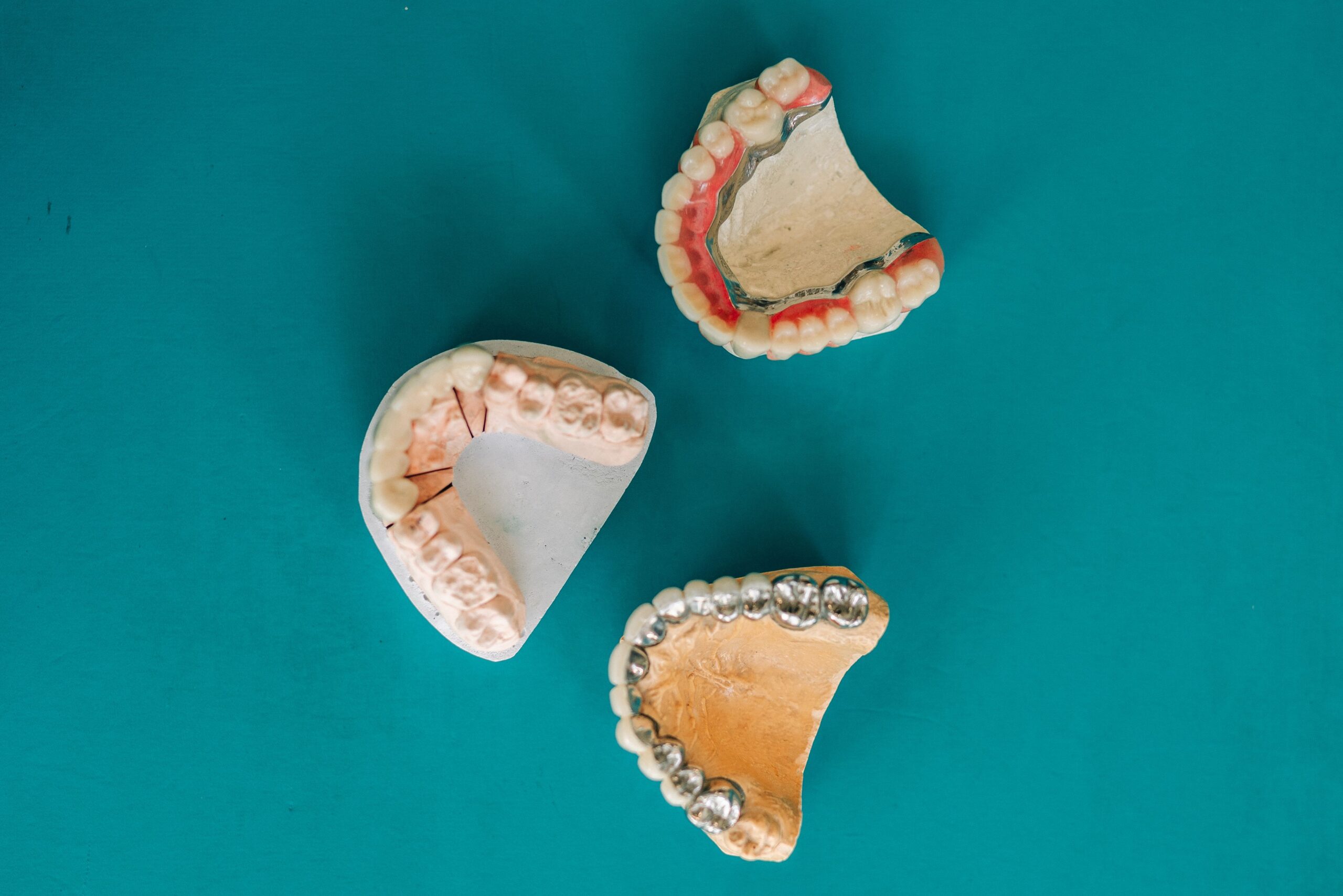
When a tooth is extracted, the resulting gap causes neighboring teeth to shift. Bone loss begins in the jaw, an chewing becomes harder. To restore function, you typically need a dental implant or a bridge, both of which cost significantly more than saving the natural tooth.
Saving your natural tooth is almost always the smarter long-term decision. Nothing artificial matches the strength, feel, and function of your own tooth. A treated and restored tooth can last a lifetime with proper care.
What Recovery Really Looks Like After the Procedure
Recovery is far simpler than most people expect. Here is what a typical timeline looks like:
Day 1: Some numbness from the anesthesia lingers. Mild soreness may begin as it wears off. Avoid hard or crunchy foods.
Days 2–3: Mild tenderness around the treated area is normal. Over-the-counter pain relievers handle it well. Stick to soft foods.
Day 3 onward: Most patients return to full normal activity within 24 to 48 hours. The soreness fades quickly.
After full recovery, a crown is placed on the tooth to protect it long-term. Once that crown is in place, the tooth looks and works just like any other tooth in your mouth.
Stop Waiting, Your Tooth Pain Deserves Real Answers!
If you have been putting off that dentist appointment because you are afraid of what they might say, this message is for you. Tooth pain does not go away on its own. An untreated dental infection gets worse over time. It spreads, and it becomes harder and more complex to treat. The longer you wait, the fewer options you have. That’s why it’s more important for you to book a consultation with us.
Dr. Dehnert and the entire team in Tucson are ready to meet you where you are. Whether you are anxious, confused, or just not sure what is going on with your tooth, they will listen, explain, and never pressure you. From your very first visit, the focus is on making you feel safe and comfortable.
You do not have to keep living with that pain. Help is right here in Tucson, and it is closer, calmer, and more manageable than you think. Call Dehnert Dental today to schedule your visit.
Frequently Asked Questions
How do I know if my toothache is serious enough to see a dentist?
If your toothache lasts more than a day or two, is accompanied by swelling, or gets worse when you bite down, you should not ignore it. A dental exam can identify the cause and prevent the problem from spreading. Schedule an appointment as soon as possible.
Can a tooth infection go away on its own?
No, a tooth infection will not resolve without treatment. Bacteria continue to multiply inside the tooth and surrounding tissue. Left untreated, the infection can spread to the jaw, neck, or other areas of the body. Seeing a dentist promptly is the only safe course of action.
How often should I visit the dentist for a checkup?
Most dental professionals recommend a checkup and cleaning every six months. If you have ongoing dental issues or a history of gum disease, your dentist may suggest more frequent visits to monitor your oral health.
What happens if I avoid a cavity for too long?
An untreated cavity grows deeper over time. It can eventually reach the inner pulp of the tooth, leading to infection and severe pain. Early treatment is always simpler and less invasive than waiting. A dentist can catch and treat cavities before they become bigger problems.
Is it safe to take painkillers to manage tooth pain at home?
Over-the-counter pain relievers can provide temporary relief, but they do not treat the underlying problem. Masking the pain only delays necessary treatment and allows the condition to worsen. Contact a dental office to address the actual cause of the pain.
How do I take care of a tooth that has undergone a root canal?
After treatment, your dentist will typically place a crown on the tooth to protect it. Ongoing care is straightforward: brush twice daily, floss regularly, and attend routine dental checkups. A properly restored tooth can last many years with basic maintenance.
Why do my gums bleed when I brush, and should I be worried?
Bleeding gums are often a sign of gingivitis, an early and treatable form of gum disease. It is commonly caused by plaque buildup along the gum line. A dental cleaning and improved brushing and flossing habits usually resolve it. A dentist can assess the severity and guide you on the next steps.
What can I do to reduce my risk of needing major dental work in the future?
Consistent daily brushing, flossing, drinking plenty of water, and avoiding excessive sugary foods all protect your teeth in the long term. Regular dental checkups allow small issues to be caught and treated early, before they develop into larger, more complex problems.

New Patients & Emergency Appointments Welcome!